
Clark Island sits like a hidden gem in Sydney Harbour, just a short boat ride from the CBD. This 1.2-hectare island paradise offers exclusive picnic spots, pristine beaches, and stunning harbour views that most Sydneysiders never see. While you can’t simply walk there, arriving by boat transforms Clark Island into your own private retreat on the harbour.
Clark Island is a small harbour island located 500 metres northeast of Darling Point, positioned between Rose Bay and Double Bay in Sydney’s eastern suburbs. The island measures 1.2 hectares and features sandy beaches, grassy picnic areas, and heritage buildings dating back to the 1800s.


Compare boats for a Clark Island day
Pricing, photos and open dates across the fleet.
What is Clark Island and where exactly is it located?
Clark Island is a small harbour island located 500 metres northeast of Darling Point, positioned between Rose Bay and Double Bay in Sydney’s eastern suburbs. The island measures 1.2 hectares and features sandy beaches, grassy picnic areas, and heritage buildings dating back to the 1800s.
Entity: Clark Island / Attribute: Size / Value: 1.2 hectares
Entity: Clark Island / Attribute: Location / Value: 500m northeast of Darling Point
Entity: Clark Island / Attribute: Coordinates / Value: 33°52’S, 151°14’E
Entity: Clark Island / Attribute: Access / Value: Boat only
The island sits in the heart of Sydney Harbour’s eastern reaches, offering 360-degree water views. From the northern shore, you’ll see the Harbour Bridge and Opera House framed by the CBD skyline. The southern aspect looks across to Rose Bay and the eastern suburbs’ waterfront mansions. Unlike many harbour islands that remain off-limits, Clark Island welcomes visitors who can arrange their own water transport.
Clark Island forms part of Sydney Harbour National Park, managed by NSW National Parks and Wildlife Service. The island’s strategic position made it historically significant as a quarantine station and later as a recreational facility for Sydney’s elite families.
How do you get to Clark Island by boat?
Clark Island is accessible only by private boat, water taxi, or charter vessel, with no regular ferry service available. Boats can anchor in the sheltered waters around the island or use the small jetty on the western shore for loading passengers and supplies.
The most straightforward approach is from Rose Bay Marina, approximately 1.2 nautical miles southeast of the island. From there, it’s a gentle 15-minute cruise through calm harbour waters. The route takes you past Point Piper’s waterfront estates and offers spectacular harbour vistas.
Alternative departure points include Double Bay Marina (2 nautical miles), Rushcutters Bay (2.5 nautical miles), or Elizabeth Bay Marina (3 nautical miles). Each route provides different perspectives of the harbour’s eastern foreshore and approaches Clark Island from slightly different angles.
When planning your approach, note that Clark Island’s jetty faces west toward the harbour’s main channel. The eastern side features a beautiful sandy beach perfect for swimming, but deeper-draft vessels should anchor in the deeper water on the northern or western sides. Self-drive boat hire gives you the flexibility to explore multiple anchorage points around the island.
Water depth around Clark Island varies from 2-8 metres, suitable for most recreational vessels. However, check tide charts as some shallow areas near the beach may be challenging at low tide for larger boats.
What facilities and amenities are available on Clark Island?
Clark Island offers basic facilities including picnic tables, barbecue areas, toilets, and shelter sheds, plus a heritage cottage available for exclusive hire through NSW National Parks. The island has no commercial facilities, restaurants, or shops, so visitors must bring all food and drinks.
Entity: Clark Island Facilities / Attribute: Picnic tables / Value: 8 tables available
Entity: Clark Island Facilities / Attribute: Barbecues / Value: 4 electric barbecue areas
Entity: Clark Island Facilities / Attribute: Toilets / Value: Public amenities building
Entity: Clark Island Facilities / Attribute: Heritage cottage / Value: Bookable for private events
The island’s crown jewel is the restored 1880s cottage, a charming sandstone building that served as the island’s original quarantine station quarters. This heritage cottage can be hired exclusively for private functions, weddings, or special celebrations. The cottage features period furnishings, a covered verandah, and accommodates up to 40 people for seated functions.
Four electric barbecue stations are positioned around the island’s grassy areas, each with adjacent picnic tables. These barbecues operate via coin payment and provide the perfect setup for harbour-side dining. The shelter sheds offer protection from sudden weather changes and house additional seating.
Fresh water taps are located near the toilet block and cottage area. The island maintains native vegetation including fig trees that provide natural shade during summer months. However, shade is limited, so bringing umbrellas or portable shelter is recommended for longer visits.
Mobile phone reception on Clark Island is generally excellent due to its central harbour position, allowing you to stay connected or share those Instagram-worthy harbour views in real-time.
When is Clark Island open and do you need permits?
Clark Island is open daily from sunrise to sunset for general visitation, with no permits required for day use. However, the heritage cottage requires advance booking through NSW National Parks, and overnight camping is not permitted anywhere on the island.
Entity: Clark Island Access / Attribute: Opening hours / Value: Sunrise to sunset daily
Entity: Clark Island Access / Attribute: Day use permits / Value: Not required
Entity: Clark Island Access / Attribute: Cottage booking / Value: NSW National Parks advance reservation
Entity: Clark Island Access / Attribute: Overnight stays / Value: Not permitted
The island operates under standard NSW National Parks regulations, meaning visitors must respect the natural environment and heritage buildings. Groups larger than 20 people should contact NSW National Parks to discuss their visit and ensure the island’s facilities can accommodate everyone comfortably.
During summer months (December-February), Clark Island experiences peak visitation, particularly on weekends. Arriving early in the morning or planning weekday visits often means having large sections of the island to yourself. The shoulder seasons of autumn and spring offer ideal weather conditions with fewer crowds.
Special events or commercial photography on Clark Island require separate permits and fees. The heritage cottage can be booked months in advance for weddings and private functions, with exclusive use of the entire island during these events.
What activities can you do on Clark Island?
Clark Island offers swimming, picnicking, bushwalking, heritage exploration, photography, fishing from the shores, and spectacular harbour watching from multiple vantage points. The island’s compact size makes it perfect for relaxed exploration and peaceful harbour experiences away from city crowds.
Swimming ranks as the island’s most popular activity, with the eastern beach offering calm, protected waters perfect for families. The water clarity around Clark Island is excellent, and the sandy bottom slopes gradually from the shore. The beach faces east, providing morning sun and afternoon shade from the island’s vegetation.
Heritage enthusiasts can explore the restored cottage and learn about the island’s fascinating history as a quarantine station. Information panels around the island detail its various historical uses, from isolation facility to private retreat. The cottage’s architecture represents 1880s colonial design and offers insights into harbour life during Sydney’s early settlement period.
Photography opportunities abound from every angle of Clark Island. The northern shore provides classic harbour views including the Harbour Bridge, Opera House, and CBD skyline. Southern vantage points capture Rose Bay’s waterfront and the eastern suburbs’ coastal beauty. Sunrise and sunset shoots from Clark Island produce some of Sydney Harbour’s most dramatic images.
Fishing from Clark Island’s rocky shores attracts anglers targeting bream, flathead, and trevally. The deeper waters on the northern side often yield better results than the shallow eastern beach area. Remember to check current NSW fishing regulations and size limits before casting a line.
The island’s walking tracks, though short, wind through native bushland and offer elevated harbour views from several lookout points. These gentle walks suit all fitness levels and provide different perspectives of the surrounding harbour landscape.
What should you bring when visiting Clark Island?
Essential items for Clark Island include food, drinks, sunscreen, umbrellas or shade structures, rubbish bags, and coins for barbecues. Since the island has no commercial facilities, comprehensive preparation ensures a comfortable and enjoyable harbour island experience for your group.
Food and beverages top the essential list, as Clark Island offers no shops, cafes, or vending machines. Plan your menu around the electric barbecue facilities, bringing meat, seafood, and vegetables for grilling. Don’t forget condiments, bread, salads, and desserts to complete your harbour-side feast. Esky coolers or insulated bags keep everything fresh during your boat journey and island stay.
Sun protection becomes critical on Clark Island due to limited natural shade and the harbour’s reflected sunlight. Pack high-SPF sunscreen, wide-brimmed hats, and UV-protective clothing. Portable umbrellas or pop-up shelters provide additional shade for extended stays, particularly during summer months.
Bring sufficient coins for the electric barbecue operation, as card payments aren’t available. Each barbecue requires coin feeding throughout the cooking process, so having plenty of change prevents mid-meal interruptions.
Rubbish bags are essential, as visitors must remove all waste from the island. This “leave no trace” policy protects Clark Island’s pristine environment and ensures future visitors enjoy the same unspoiled experience.
Additional useful items include beach towels, swimming gear, fishing equipment (if planning to fish), camera equipment, first aid supplies, and entertainment for children. A portable speaker can enhance the atmosphere, but keep volume respectful of other visitors and wildlife.
What is the history behind Clark Island?
Clark Island served as Sydney Harbour’s quarantine station from 1881-1984, isolating passengers with infectious diseases before mainland entry. Named after Ralph Clark, a First Fleet marine officer, the island housed thousands of immigrants and features heritage buildings from its quarantine station era.
Entity: Clark Island History / Attribute: Original name / Value: Named after Ralph Clark
Entity: Clark Island History / Attribute: Ralph Clark role / Value: First Fleet marine officer
Entity: Clark Island History / Attribute: Quarantine period / Value: 1881-1984
Entity: Clark Island History / Attribute: Heritage status / Value: NSW State Heritage Register
Ralph Clark arrived with the First Fleet in 1788 as a marine officer and lieutenant. His detailed diaries provide invaluable insights into early colonial life in Sydney. The island’s naming honours his contributions to the colony’s establishment and his role in maintaining order during those challenging early years.
The quarantine station operated for over a century, processing immigrants who showed signs of infectious diseases during their sea voyage to Australia. The existing cottage served as quarters for quarantine officers and medical staff who monitored isolated passengers. During peak immigration periods, temporary structures housed hundreds of people awaiting medical clearance.
Notable quarantine periods included the 1918-1919 Spanish flu pandemic, when Clark Island played a crucial role in preventing the disease’s spread throughout Sydney. The facility also processed refugees and displaced persons following both World Wars, serving as their first Australian home while health checks were completed.
After quarantine operations ceased in 1984, NSW National Parks assumed management and began restoration work. The heritage cottage underwent careful renovation to preserve its historical authenticity while making it suitable for modern recreational use. This transformation allows today’s visitors to experience Clark Island’s history firsthand while enjoying harbour recreation.
Archaeological evidence suggests Aboriginal peoples used Clark Island long before European settlement, likely as a fishing and hunting base due to its strategic harbour position. However, detailed records of this earlier period remain limited compared to the well-documented quarantine station era.
What are the best times to visit Clark Island?
The best times to visit Clark Island are during autumn (March-May) and spring (September-November) when weather conditions are mild, crowds are smaller, and harbour conditions are typically calm. Early morning arrivals offer the most peaceful island experience with optimal photography conditions.
Entity: Clark Island Weather / Attribute: Best seasons / Value: Autumn and spring
Entity: Clark Island Weather / Attribute: Peak crowds / Value: Summer weekends
Entity: Clark Island Weather / Attribute: Optimal arrival / Value: Early morning
Entity: Clark Island Weather / Attribute: Swimming season / Value: October to April
Autumn provides ideal Clark Island conditions with warm, stable weather and fewer weekend visitors compared to summer. Water temperatures remain comfortable for swimming through March and April, while the reduced tourist numbers mean more space for your group to spread out and enjoy the facilities.
Spring offers perfect boating weather with gentle winds, calm harbour conditions, and comfortable temperatures for outdoor activities. October through November sees the island’s vegetation at its most vibrant, and the moderate temperatures make all-day visits enjoyable without extreme heat concerns.
Early morning arrivals, particularly during weekdays, often result in having Clark Island practically to yourself. The morning light provides exceptional photography opportunities, and the calm harbour conditions typically found at dawn make for pleasant boating. Many experienced harbour visitors plan early departures to secure the best picnic spots before other groups arrive.
Summer visits require more planning due to heat, UV exposure, and increased visitor numbers. However, the extended daylight hours and warm water temperatures make summer appealing for swimming and water activities. Weekend summer visits should be planned with flexibility, as popular spots fill quickly.
Winter visits offer unique charms including crisp, clear harbour views and virtually empty facilities, though swimming becomes less appealing and shorter daylight hours limit visit duration. Winter weather can change rapidly, so monitoring conditions and having backup plans becomes essential.
How does Clark Island compare to other Sydney Harbour islands?
Clark Island offers more facilities than most harbour islands while maintaining accessibility for private boats, unlike restricted islands such as Fort Denison or Goat Island. It provides the perfect balance between developed amenities and natural harbour island experience for day visitors.
Unlike Fort Denison, which requires guided tours and advance bookings, Clark Island welcomes independent visitors who arrange their own transportation. This accessibility makes it ideal for harbour island exploration without the restrictions and costs associated with commercial tour operations.
Shark Island, Clark Island’s nearest neighbour, offers similar day-use facilities but requires a longer boat journey from most mainland departure points. Clark Island’s proximity to multiple marinas and boat ramps makes it more convenient for self-drive boat hirers looking for a quick harbour escape.
Goat Island provides more extensive heritage buildings and guided historical experiences but lacks the swimming opportunities and relaxed atmosphere that make Clark Island perfect for family outings. Clark Island strikes the ideal balance between historical interest and recreational amenities.
Spectacle Island offers primitive camping opportunities that Clark Island doesn’t permit, appealing to different visitor types seeking overnight harbour experiences. However, Clark Island’s day-use focus means better-maintained facilities and more comfortable amenities for picnicking and swimming.
The combination of accessible location, quality facilities, swimming beach, and heritage interest makes Clark Island unique among Sydney Harbour’s islands. It delivers a complete harbour island experience without the limitations or advance booking requirements of more restricted locations.
What boat types work best for visiting Clark Island?
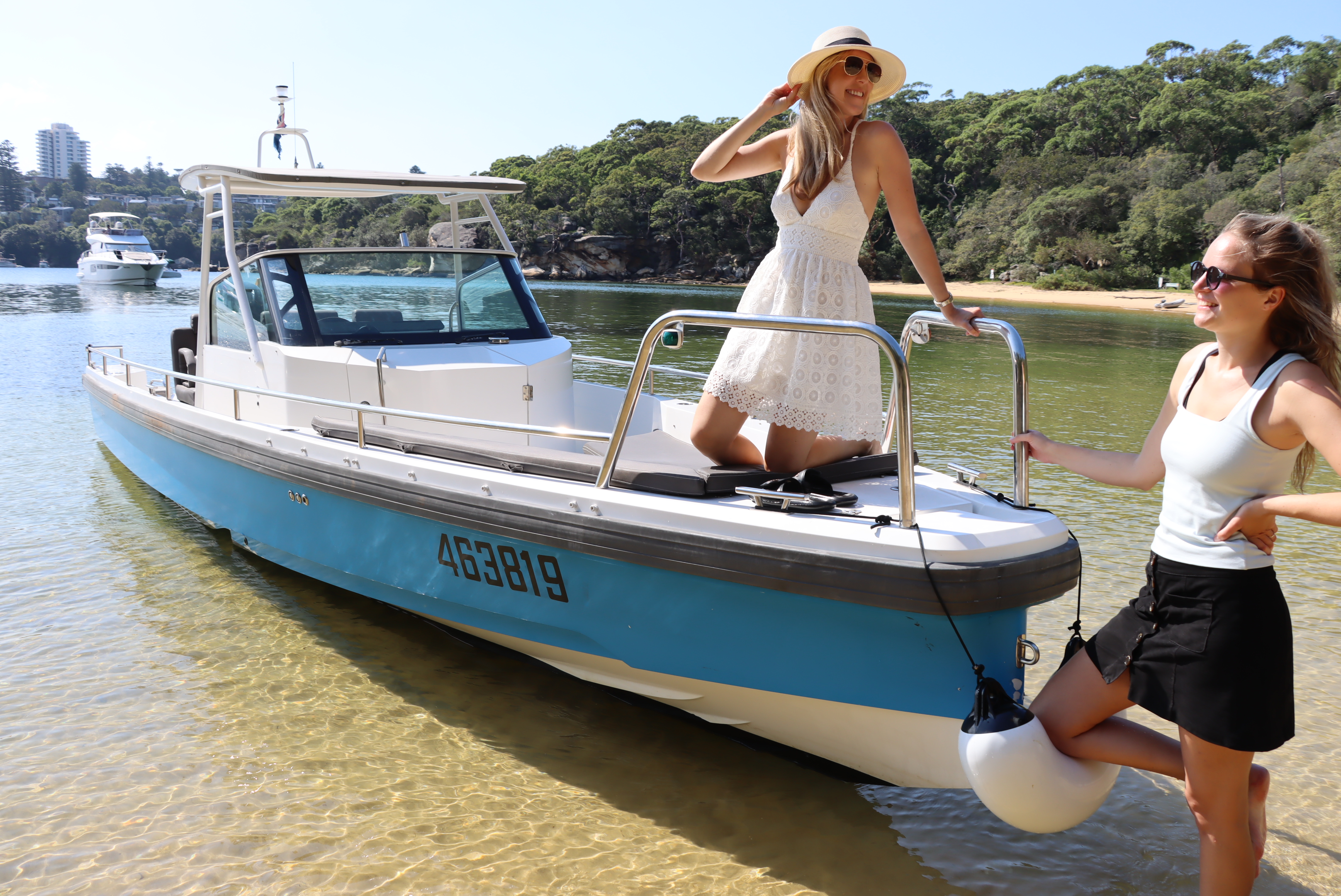
Clark Island suits most recreational boat types including bowriders, pontoon boats, cabin cruisers, and sailing vessels, with the shallow eastern beach area favoring boats with drafts under 1.5 metres. The western jetty accommodates larger vessels for passenger and supply loading.
Bowriders and runabouts excel for Clark Island visits due to their shallow draft, beach-landing capability, and easy passenger loading. These boats can approach the eastern beach closely, making it simple to transfer people and gear to shore. Their open design also maximizes harbour viewing during the journey.
Pontoon boats offer excellent stability for families and groups, with spacious decks perfect for carrying picnic supplies and equipment. While their larger size may limit beach approach options, pontoon boats can anchor comfortably in the deeper water surrounding Clark Island’s northern and western shores.
Cabin cruisers provide weather protection and onboard amenities that enhance the Clark Island experience, particularly for longer visits or changeable weather conditions. The enclosed cabin offers storage for supplies and a comfortable retreat if conditions become challenging.
Sailing vessels can reach Clark Island easily, though the light winds common in the harbour’s eastern reaches may require motor assistance. The deeper anchorage areas around Clark Island provide good holding ground for boats planning extended stays.
Smaller boats like dinghies and tenders work well for Clark Island access but require careful attention to weather conditions and passenger capacity. The protected harbour location generally provides calm conditions suitable for smaller craft, though always check marine forecasts before departing.
When selecting boats for Clark Island visits, consider your group size, gear requirements, and planned activities. Larger groups may benefit from spacious pontoon boats, while intimate gatherings might prefer the simplicity and beach access offered by smaller bowriders.
What wildlife and marine life can you see around Clark Island?
Clark Island waters host diverse marine life including rays, small sharks, schools of fish, and seasonal whale migrations, while the island itself supports seabirds, water dragons, and native vegetation that attracts various bird species throughout the year.
Entity: Clark Island Wildlife / Attribute: Marine life / Value: Rays, sharks, fish schools
Entity: Clark Island Wildlife / Attribute: Bird species / Value: Seabirds, native species
Entity: Clark Island Wildlife / Attribute: Reptiles / Value: Water dragons
Entity: Clark Island Wildlife / Attribute: Seasonal visitors / Value: Migrating whales
Snorkeling around Clark Island’s eastern beach often reveals stingrays gliding over the sandy bottom and schools of yellowtail and bream moving through the shallow waters. The clear harbour water provides excellent visibility for observing marine life, particularly during calmer weather conditions.
Port Jackson sharks, harmless bottom-dwellers native to Sydney Harbour, occasionally appear in the deeper waters around Clark Island. These distinctive sharks with their blunt heads and spotted patterns are uniquely Australian and pose no danger to swimmers or snorkelers.
Birdlife on Clark Island includes silver gulls, cormorants, and various seasonal visitors that use the island as a feeding and resting site. The native vegetation attracts honeyeaters, rainbow lorikeets, and other nectar-feeding species, creating excellent birdwatching opportunities for nature enthusiasts.
Eastern water dragons, large native lizards, inhabit Clark Island’s rocky areas and can often be seen sunning themselves on the heritage cottage steps or shoreline rocks. These impressive reptiles are harmless to humans and add to the island’s natural character.
During whale migration seasons (May-November), humpback and southern right whales pass through Sydney Harbour’s outer reaches, sometimes visible from Clark Island’s elevated vantage points. While not guaranteed, these magnificent marine mammals occasionally provide unforgettable wildlife encounters for island visitors.
The diverse marine ecosystem around Clark Island makes it an excellent location for combining recreation with nature observation, offering harbour exploration that extends beyond historical and scenic attractions.
Ready to discover Clark Island’s hidden charms for yourself? Boatique Sydney Boat Hire makes it easy with our extensive fleet of over 120 boats perfect for harbour island adventures. Whether you prefer a nimble bowrider for beach access or a spacious pontoon boat for family groups, we’ve got the ideal vessel to get you to Clark Island in comfort and style. Book your harbour island escape today and create unforgettable memories on one of Sydney’s most accessible island paradises.