
Understanding Sydney’s Microclimates on the Harbour: Wind, Swell & Sun Exposure
Sydney Harbour is a vibrant, ever-changing playground. To truly enjoy your time on the water, it’s helpful to understand the microclimates that swirl around the harbour — the winds that play tag with the waves, the swells that roll into shore, and the sun that bathes everything in light. Knowing how these elements come together can make your boat hire experience smoother, safer, and a whole lot more fun.
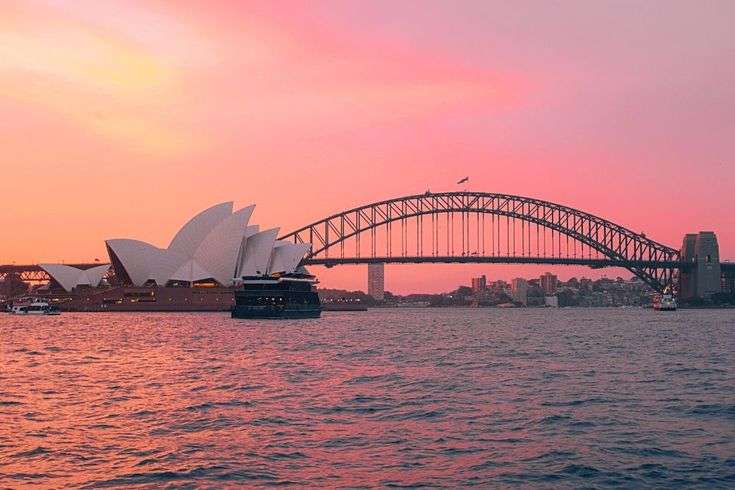
The Dance of Winds on Sydney Harbour
Sydney’s wind patterns are lively and diverse. Generally, the windiest months span from October through January, with the most mellow winds arriving between March and June. Along the harbour, winds often come from three main directions depending on the season.
In summer, gentle northeasterly sea breezes commonly blow in from the ocean, offering a cool relief from sunny heat. These breezes are the harbour’s way of keeping things fresh when the sun turns up the warmth. In contrast, winter and early spring bring stronger, cooler winds from the west or northwest. Sometimes, especially between October and March, you might witness a dramatic southerly buster. This sudden shift can transform calm skies into brisk, gusty conditions, rolling like a scroll of cloud swept by the wind. These changes remind us how dynamic Sydney’s harbour can be.
The east-facing coastal suburbs often catch the strongest gusts because they sit right where sea breezes meet land. Meanwhile, inland parts of the harbour tend to be more sheltered, offering calm spots perfect for a relaxed cruise.
How Swells Shape Your Harbour Experience
Swells in Sydney Harbour are created by ocean conditions outside the harbour’s natural protection. While the harbour itself shields much of the open sea’s roughness, swells can still sneak in through its mouth, especially when winds from the ocean push water towards the bay.
During windy periods, especially when southerly or easterly winds kick up, these swells become more noticeable, causing choppier water. If you’re renting a boat, knowing the swell size helps plan your trip to avoid too much bumpiness, keeping your journey comfortable. Calm swells bring glassy water ideal for paddleboards or gentle sailing. Larger swells can make for thrilling rides but might be better suited for more experienced boaters.
The harbour’s varied geography — its coves, points, and islands — also affects how swells move inside. Some spots block the waves, creating peaceful bays, while others face the swell front-on, offering lively water conditions.
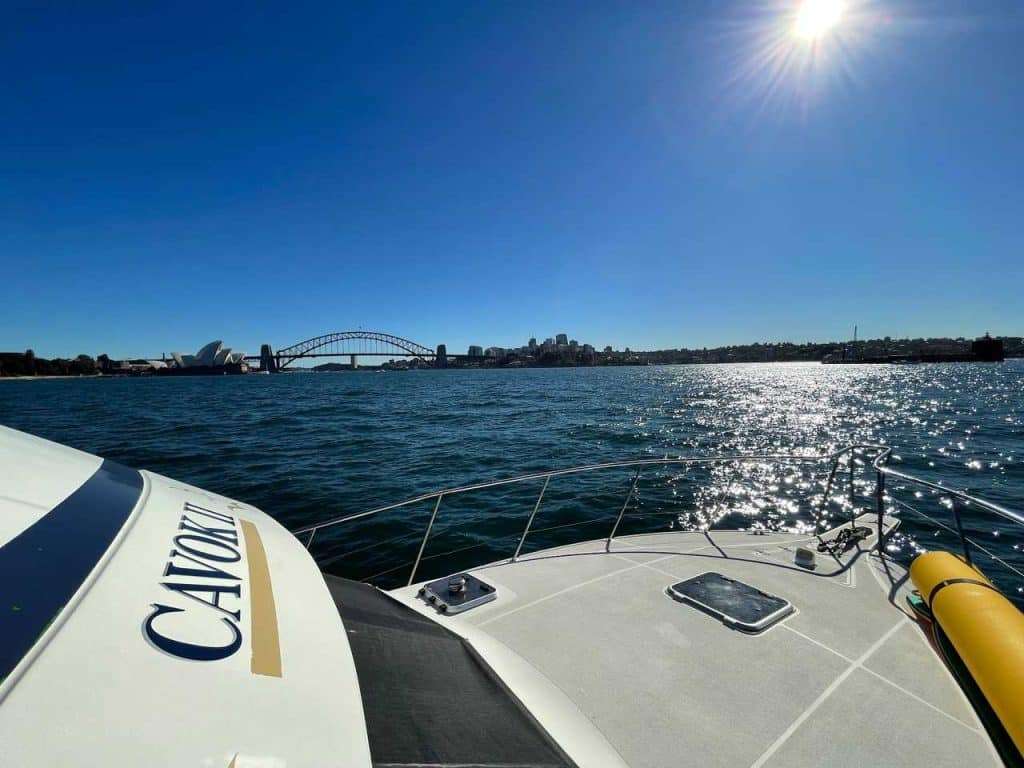
Sun Exposure: Enjoying Light Safely on the Harbour
Sydney’s sun doesn’t hold back. The city averages about 240 sunny days a year, with many of those bright days coming in spring and early autumn thanks to unique wind patterns that keep skies crystal clear.
When you’re out on a boat in Sydney Harbour, sun exposure can be intense. The water reflects sunlight, doubling the effect and increasing your risk of sunburn. Wearing sunscreen, hats, and protective clothing is essential, even on cloudy or windy days. The combination of bright sun and cooling breezes can trick you into underestimating the strength of UV rays.
Also, remember that the sun’s angle changes throughout the day and seasons. Midday sun in summer is the strongest, while mornings and late afternoons have gentler light. Planning trips to avoid peak sun hours can keep the experience comfortable and protect your skin.
How Microclimates Influence Boating Conditions on the Harbour
Sydney Harbour isn’t just one uniform environment. Microclimates—small-scale weather differences influenced by geography and urban features—can change conditions dramatically from one harbour spot to another.
For example, areas shielded by hills or dense urban buildings tend to have less wind and milder temperatures. Conversely, exposed points along the harbour fringes can experience warmer temps due to the föhn effect, when dry, warm winds descend from the Blue Mountains, shifting conditions quickly.
These localized differences affect how waves and wind behave on various harbour routes. A bay that feels calm in the morning might turn breezy by afternoon. For boaters, tuning in to these local changes helps pick the safest and most enjoyable paths.
Planning Your Boat Hire Around Sydney’s Harbour Weather
To make the most of your boat hire, it helps to pay attention to the forecast but also understand the unique microclimates right around the harbour. Summer calls for lighter clothing and sun protection, with an eye on sudden southerly busters that can bring quick weather flips. In cooler months, expect stronger westerly winds that might speed you along or create rougher water.
Choosing the right time, route, and boat type can make a world of difference. Smaller boats may find it tricky in rough swells, while larger boats offer greater stability. If your day’s plan includes stops at different harbour spots, check how the microclimates might change so you’re ready for wind shifts or sun exposure.
Why Boatique Sydney Boat Hire is Your Ideal Harbour Partner
At Boatique Sydney Boat Hire, we know Sydney Harbour’s microclimates inside and out. Our friendly crew is ready to guide you on choosing the best boat for your adventure, timing your hire to sidestep the rough patches, and keeping you in the loop about current wind and sun conditions. Whether you’re after a chilled sunset sail, a lively exploration full of waves, or a sun-drenched cruise with friends, we tailor your experience to Sydney’s ever-shifting moods.
We’re here to help you master Sydney’s harbour elements with confidence and a smile, making your time on the water safe and joyful no matter what weather comes your way.
Frequently Asked Questions
• What causes the sudden change in wind called a “southerly buster”?
A southerly buster is a cool, strong wind front that moves rapidly from the south, replacing warmer northeasterly winds. It appears like a rolling cloud and can bring quick drops in temperature and gusty winds, mainly between October and March.
• How does the föhn effect influence Sydney Harbour’s weather?
The föhn effect occurs when dry, warm winds descend from the Blue Mountains on Sydney’s western side. These winds raise temperatures, clear skies, and can create sudden warm and dry conditions along the harbour, especially in cooler months.
• Are the swells inside Sydney Harbour dangerous for boating?
Most swells inside Sydney Harbour are mild due to natural protection by landforms, but certain weather patterns, especially strong southerly or easterly winds, can increase swell height and create choppy waters. Boaters should assess conditions and choose appropriate vessels.
• When is the best time to avoid strong winds on Sydney Harbour?
The calmest winds usually come from March through June. Winds pick up from October to January, with the possibility of southerly busters. Planning boating trips outside the windiest months generally means smoother water.
• Does sun reflecting off the water increase sun exposure?
Yes. The water acts like a mirror, bouncing sunlight back onto you, which raises UV exposure. Wearing sunscreen and sun protection is important, even on cloudy, breezy, or cooler days.
• How can I tell if my boat hire day will be affected by harbour microclimates?
Check local, detailed harbour weather forecasts and consider wind direction, wave conditions, and sun angle. Our team at Boatique Sydney can also advise on daily conditions and help you pick the best time and boat for a comfortable experience.
Ready to explore Sydney Harbour with the confidence that comes from understanding its winds, waves, and sun? Book your boat hire with Boatique Sydney today and set sail on your tailored harbour adventure! Check out more information about Sydney Harbour itineraries