
Buffet vs. Plated Dining: Which Catering Style is Best for Your Event?
Deciding on the right catering style can shape the whole feel of your event. Whether it’s a wedding, corporate gathering, or a casual party, the choice between **buffet and plated dining** impacts everything from guest experience to budget and logistic flow. Both styles have their strengths and drawbacks, so understanding how each works will help you pick the best fit for your special day or event.
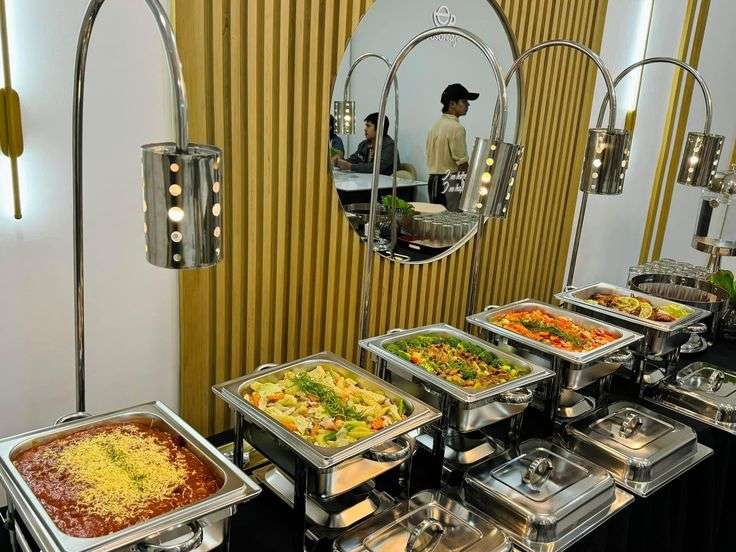
What Is Buffet Dining?
Buffet dining means setting out a variety of dishes for guests to serve themselves. This style encourages choice and mingling, where people can decide what, and how much, they want to eat. Buffets are lively, casual, and flexible, often perfect if your crowd enjoys variety or has mixed dietary needs.
In addition to the feast of options, buffets reduce the need for large serving staff, which often helps keep costs lower than plated meals. However, because guests fill their own plates, portions can vary greatly, leading sometimes to food waste or lines forming around the buffet tables. Buffets usually require substantial space for the food stations and smooth guest flow to avoid overcrowding.
What Is Plated Dining?
Plated dining delivers a different vibe. Here, guests stay seated and are served individual, carefully arranged meals by waitstaff. It’s a more formal and elegant experience, commonly seen at weddings, galas, or exclusive corporate dinners.
Each plate is prepared ahead by chefs, often involving multiple courses, presented with finesse. This method allows perfect portion control, fewer leftovers, and a steady, calm dining pace. However, plated meals generally involve higher staffing needs and a stricter seating plan. Menu choices are often limited to a few pre-selected options, which guests usually pick before the event.
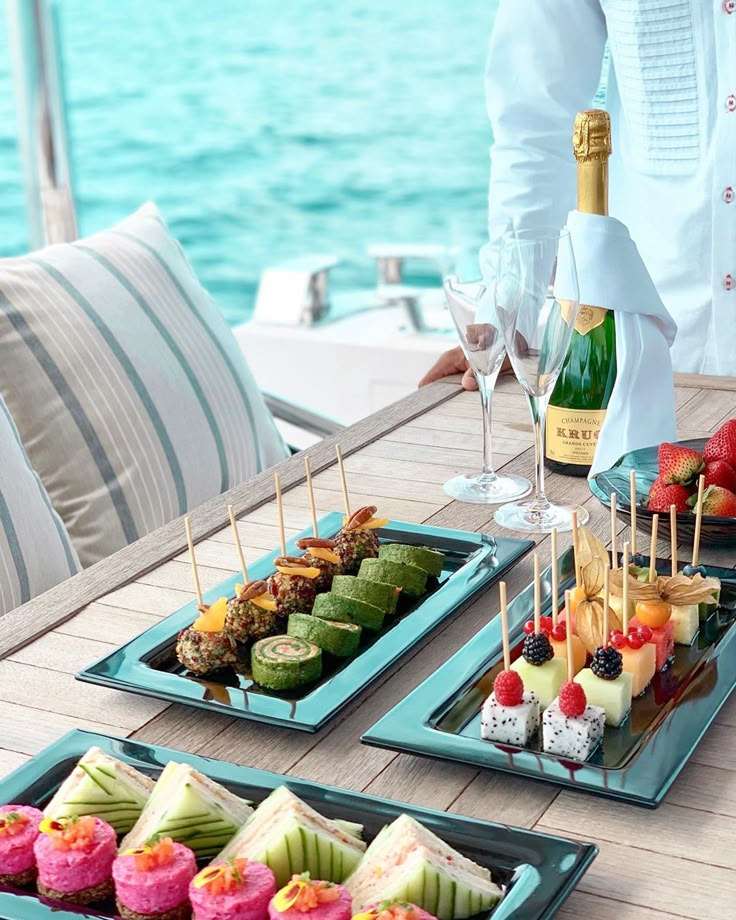
Comparing Guest Experiences
Buffet dining shines for casual, social occasions. Guests get to move around, chat while choosing their food, and mix and match dishes as they please. This setup often appeals to groups with diverse tastes or where flexible timing is needed. It creates a lively atmosphere where eating and mingling go hand in hand.
On the flip side, plated dinners offer a calmer, more structured setting. Guests can relax knowing their meal will arrive at their table without needing to line up or decide on the spot—making it ideal for formal events that have a set schedule. Attentive service adds a touch of luxury and reduces the hassle for guests with mobility issues or those who prefer to sit through the meal.
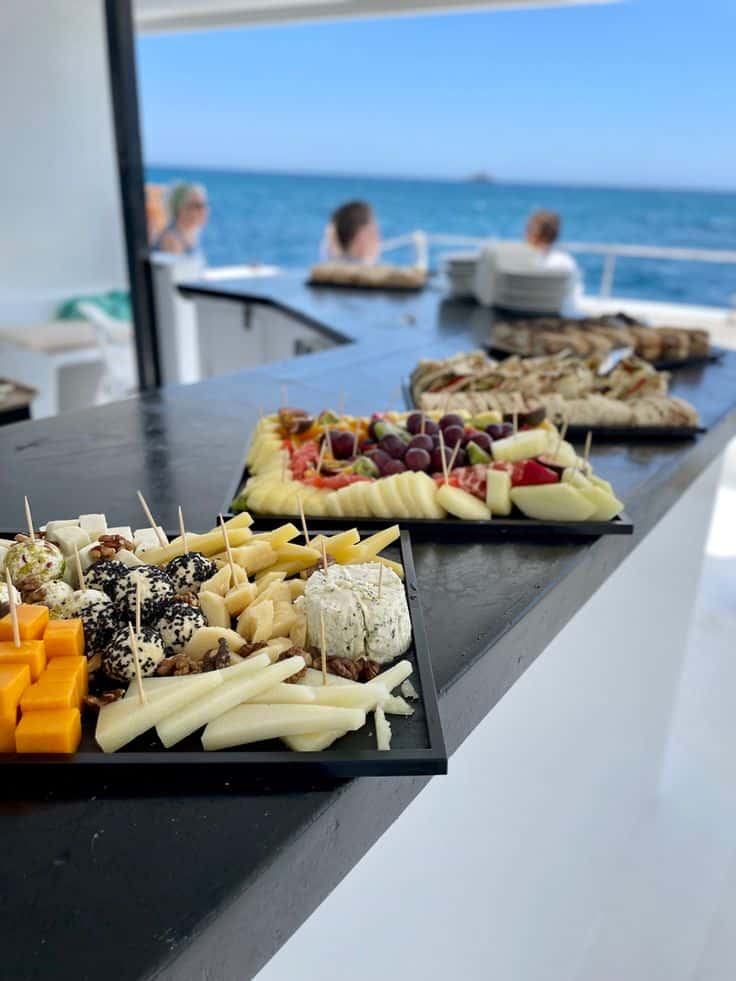
How Cost Influences the Approach
Budget is usually a key factor in this decision. Buffets tend to be less costly because they require fewer servers and less coordination during the meal. Hosts can also manage the menu size based on the budget, scaling dishes up or down with relative ease.
Contrastingly, plated meals need more staff to serve and clear courses, along with more precise planning in food preparation. This can push the price up, especially for multi-course dinners or sophisticated presentations. Yet, plated meals provide better portion control, potentially lowering waste and unpredictability in the final food costs.
Logistics and Venue Considerations
Space and venue layout can guide your catering style choice. Buffets demand ample room for setting up food stations and letting guests move freely without congestion. They’re well-suited for spacious halls, outdoor garden events, or areas where guests can stand or circulate comfortably.
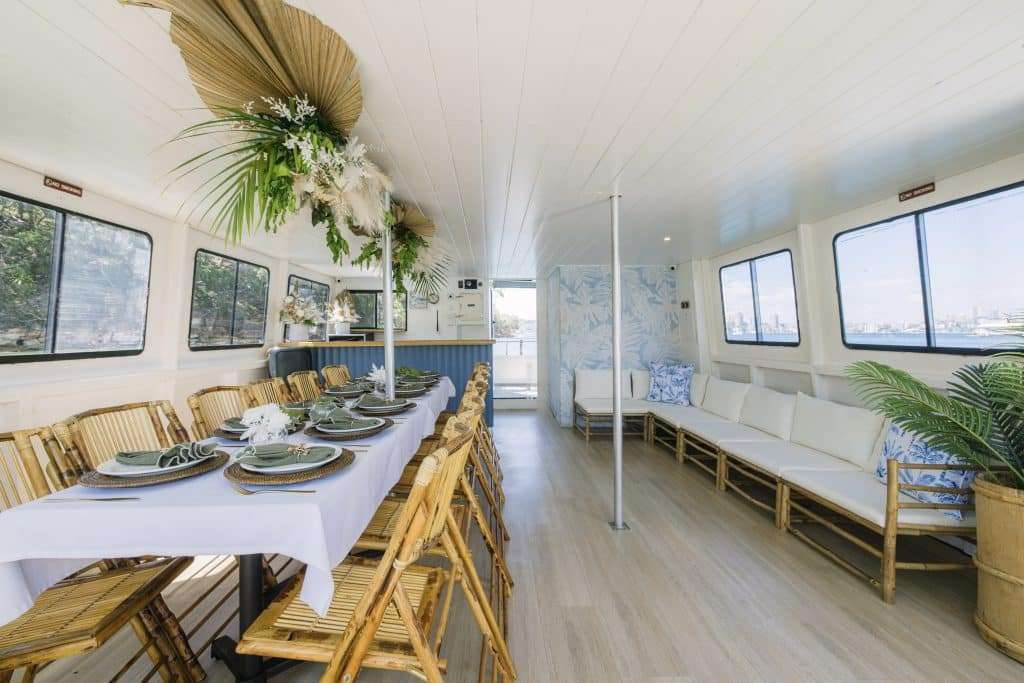
Plated dining, by contrast, requires enough seating and table arrangements to host everyone comfortably. It’s especially effective in venues where people stay seated for the entire meal. This style also benefits from venues able to support enough waitstaff movement and quick, discreet service without disturbing the ambiance.
Catering to Dietary Needs and Preferences
Buffets naturally allow guests to tailor their plates to personal tastes and dietary restrictions, with a variety of dishes on offer. This variety can accommodate allergies, vegetarian diets, or gluten-free choices more easily in one setting.
With plated dining, customization depends heavily on advance planning. Guests often select their meal options beforehand, which means you can prepare specific meals for those with special dietary needs. This method helps avoid cross-contamination and ensures a tailored dining experience but requires good coordination to get every dish to the right guest.
FAQs
• What type of event is best suited for buffet dining?
Buffets are ideal for casual, interactive events like birthday parties, festivals, or informal corporate gatherings where guest mingling is encouraged.
• Are plated dinners always more expensive than buffets?
Generally, plated dinners cost more due to the need for more staff and careful preparation, but costs vary depending on menu complexity and event size.
• Can buffets work for smaller events?
Yes, but they require enough guests to justify the setup. For very small events, plated service might be more practical and elegant.
• How do I handle guests with dietary restrictions in a buffet?
Labeling dishes clearly and offering a variety of options helps guests manage their needs. You might also consider a smaller plated serving for those with severe allergies.
• Does plated dining slow down the event?
It can take longer if the event is large and not well staffed, but with good planning, the pacing can be smooth and coordinated with event activities.
• Is there a difference in food quality between buffet and plated meals?
Not necessarily. Both can have high-quality food, though plated service can highlight presentation and freshness, while buffets focus on variety and quantity.
Ready to select the perfect catering style for your next event? Whether you want the casual buzz of a buffet or the refined touch of plated dining, our team can help you plan a memorable experience. Contact Boatique Sydney Boat Hire for expert event advice and catering recommendations that suit your style and budget. For more information see all about food and drink options when you hire a boat.