
Most visitors experience about five per cent of Sydney Harbour: the Opera House forecourt, a ferry ride, maybe a harbour cruise. The other ninety-five per cent — the hidden second harbour, the swimmable coves, the islands you can actually visit, the fact you can legally drive your own boat here without a licence — never makes the itinerary, because nobody tells you. Consider this the briefing Sydneysiders give their own visiting friends.
See the harbour from your own boat
Pricing, photos and open dates across the fleet.
1. There’s a whole second harbour most visitors never see
Middle Harbour splits off north of the Heads and runs deep into bushland — a sheltered, green-edged arm of the harbour with sandy coves, quiet anchorages and national park down to the waterline. No Opera House views, no crowds, and for most Sydneysiders it’s the part of the harbour they actually use on weekends. It’s barely served by ferries, which is exactly why it stays quiet: you reach it by boat or not at all. If you do one non-obvious thing on your trip, make it a few hours on Middle Harbour — hire boats run from The Spit at Mosman, right at its entrance. See boat hire on Middle Harbour.
2. You can drive a boat here with no licence — really
NSW allows “hire and drive” vessels that anyone can operate after a practical briefing at the wharf. No test, no paperwork marathon, no boating history required — you get trained on the spot and off you go, up to six of you, from $400 for three hours with fuel included. Visitors from countries where recreational boating is heavily gated find this frankly unbelievable. Details on how it works: no licence boat hire in Sydney.
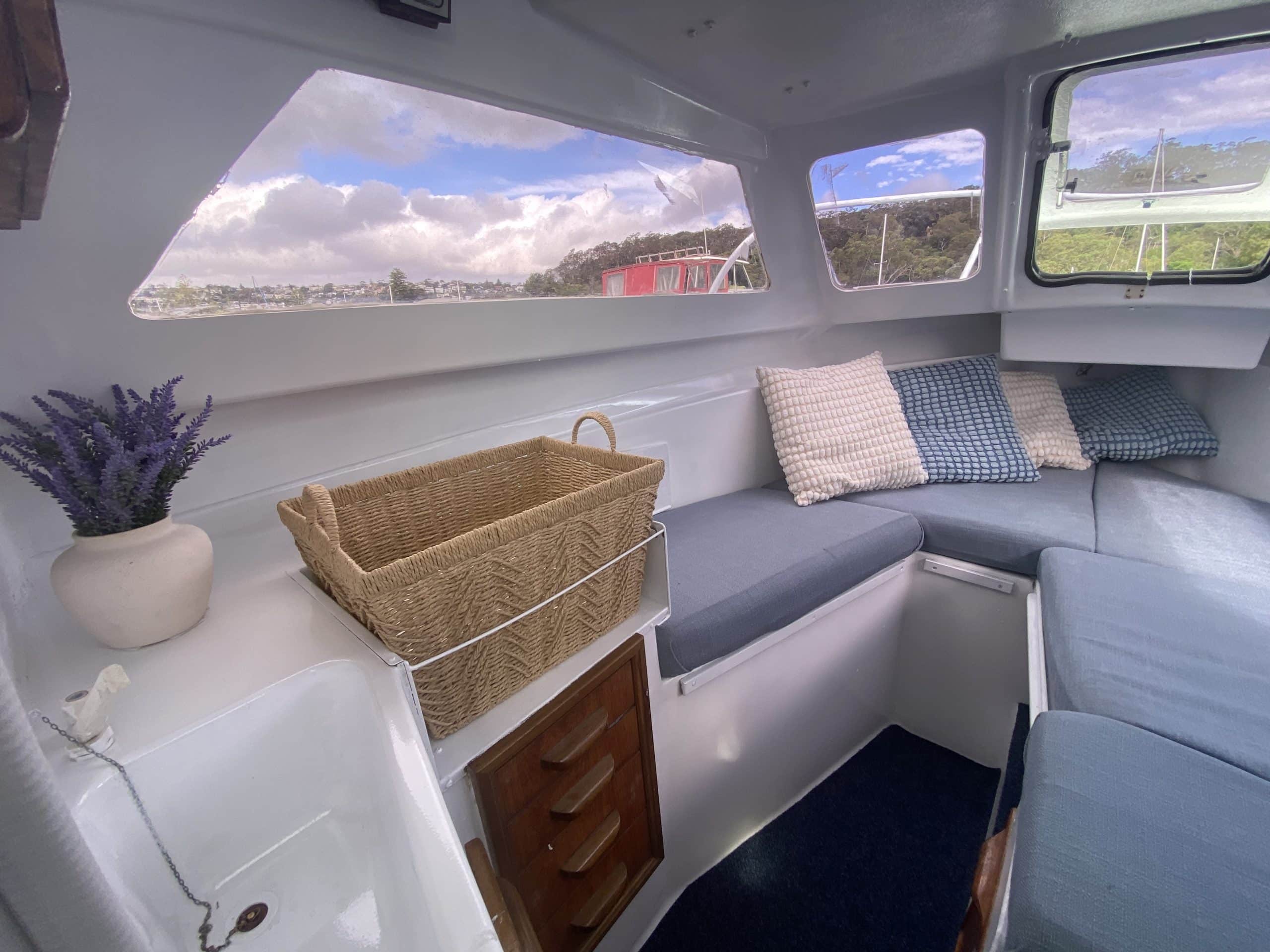
3. The harbour is a drowned river valley — and it’s deep
Sydney Harbour is a ria: an ancient river valley flooded by rising seas, which is why it wriggles inland in long fingers instead of forming a neat bay. That geology gives it surprising depth in the main channels and an absurd length of shoreline — hundreds of kilometres of bays, points and beaches folded into one city. It’s also why the harbour rewards exploring by boat: around every point is another cove that can’t be seen from the last one.
4. Yes, you can swim in it — locals do constantly
The harbour’s water quality is far better than its industrial-era reputation, and harbourside swimming is a genuine local ritual — netted baths and calm coves all around the foreshore, and boat-access beaches through Middle Harbour where you anchor and swim off the back. The local rule of thumb: swim in the days of dry weather, skip it right after heavy rain when stormwater runoff muddies things. October to April is comfortable swimming; the hardy swim year-round.
5. Whales pass the front door — and sometimes come inside
Humpbacks migrate along Sydney’s coast between roughly May and November, and most years a few curious whales actually detour in through the Heads, shutting down the harbour’s attention for a day. Seals haul out around the harbour (one famously favoured the Opera House steps), dolphins visit, and there’s a protected little penguin colony in the Manly area — one of the few on the Australian mainland. Give all wildlife generous distance on the water; NSW National Parks publishes the current rules.

6. The islands are open — you can even sleep on one
Sydney Harbour’s islands aren’t just scenery. Cockatoo Island, a UNESCO World Heritage former shipyard and convict site, is open to the public — with camping and accommodation right in the middle of the harbour. Others, like Shark Island and Clark Island, are national park picnic territory with ferry or private-boat access arrangements. Checking what’s bookable is worth it: “we camped on an island in the middle of the harbour” is a better story than another hotel night.
7. The ferries are public transport, not a tour — price accordingly
Visitors regularly pay for harbour cruises that retrace what the Manly ferry does for a few dollars on an Opal or contactless card. The ferry crossing to Manly passes the Opera House, crosses the open Heads, and is legitimately one of the world’s great public-transport rides. Use ferries for the icon views and A-to-B, then spend your actual boat budget on something ferries can’t do: your own boat, your own route, a beach only reachable by water.
8. The fishing in the middle of the city is genuinely good
Bream, flathead, trevally, squid, kingfish — a working fishery lives under the postcard. Locals fish it year-round, and winter is quietly excellent. Most adults need to have paid the NSW recreational fishing fee (check NSW DPI for rules and limits), and then a hired boat turns a tourist morning into a fishing trip. Where to drop a line: Sydney Harbour fishing spots by boat.

9. The weather has a plot twist: the afternoon southerly
Sydney summer days often follow a script: hot, building northeasterly breeze through the afternoon — then, some days, an abrupt cold southerly change that drops the temperature and stands the harbour up in minutes. Locals plan around it instinctively: mornings for calm water, exposed places early, sheltered bays late. If you’re boating, kayaking or even picnicking on an exposed point, check the afternoon forecast, not just the morning one.
10. The harbour is zoned — and the good news is you don’t need to memorise it
Shipping channels, ferry corridors, no-anchoring zones, speed-restricted areas: the harbour is carved up invisibly, which is one reason first-time visitors assume boating here must be experts-only. In practice, hire operators brief you on exactly where to go and what to avoid before you leave the wharf, and the no-licence boats operate in the forgiving parts. Curious how it all fits together? Our plain-English guide to Sydney Harbour’s maritime zones explains the system.
So how should a visitor actually plan a harbour day?
Use the two-day split that locals recommend when pressed. Day one, the icons, cheaply: ferry to Manly for the classic crossing, walk the Corso to the ocean beach, ferry back at golden hour when the Opera House does its bronze trick. Cost: pocket change. Day two, the real harbour, privately: a morning self-drive hire from The Spit at Mosman — no licence needed, training included, from $400 for three hours between up to six of you — spent swimming and lunching around Middle Harbour’s quiet coves. Mornings beat afternoons for calm water almost year-round (see point nine), BYO food and drinks keep the budget honest, and you’ll come home having seen a Sydney that most visitors — and honestly, some Sydneysiders — never do.
Three timing notes to finish. Book summer weekend boats days-to-weeks ahead, but know that midweek and winter slots are often available at short notice and 20–40% cheaper across the market. If your trip window includes late May–June, check Vivid’s dates — the light-festival harbour is spectacular from the water and books accordingly. And whatever else the itinerary says, get on the water somehow: Sydney is a city that faces its harbour, and until you’ve looked back at it from out there, you’ve only seen the back of the postcard.
Frequently asked questions
What’s the most underrated thing to do on Sydney Harbour?
Hiring a small boat and spending a morning in Middle Harbour. It’s the part of the harbour locals use, it’s almost tourist-free, and no licence is needed.
Can tourists really drive a boat without a licence?
Yes — NSW’s hire-and-drive category lets anyone operate certain boats after a wharf briefing. Training is included; from $400 for three hours for up to six people.
Is Sydney Harbour clean enough to swim in?
Generally yes, especially in the ocean-flushed and netted spots — locals swim it daily. Skip swimming immediately after heavy rain, when stormwater runoff affects water quality.
When can you see whales from Sydney Harbour?
The humpback migration runs along the coast roughly May to November, and some years whales enter the harbour itself. Keep the legally required distance — check NSW National Parks for current rules.
Which islands in the harbour can you visit?
Cockatoo Island (UNESCO listed, with camping and accommodation) is the headline, and harbour islands like Shark and Clark Island are picnic spots with managed access. Check current booking arrangements before you go.