
From roughly June to October, tens of thousands of humpback whales pass Sydney on their annual migration — north to breed in winter, south with calves in spring — and for those months, a boat day here carries a possibility no other season offers. Let’s be honest upfront: a hire boat on the harbour is not a guaranteed whale-watching trip, and anyone who promises sightings is selling something. But whales do enter the harbour some seasons, the coastal viewing from chartered vessels is world-class, and knowing how the migration works turns a normal winter cruise into one with a lottery ticket attached. Here’s the real guide.
Winter and spring boats, whale-season rates
Pricing, photos and open dates across the fleet.
How does the migration actually work?
The humpback highway runs right past Sydney’s front door. Northbound leg (roughly June–August): whales travel from Antarctic feeding grounds to warm breeding waters up the coast — adults moving with purpose, often further offshore, breaching and tail-slapping as they go. Early winter typically brings the densest traffic. Southbound leg (roughly September–October, tailing into November): the return journey, and for boat-based viewing the better half — mothers travel slowly with new calves and frequently hug the coastline much closer in, resting in bays along the way. The numbers involved are enormous — this is one of the great wildlife migrations on earth, and it passes within sight of the Heads for five months a year. Some individuals detour into Sydney Harbour itself most seasons; when it happens, the whole city knows within the hour.
Can you see whales from a hire boat on the harbour?
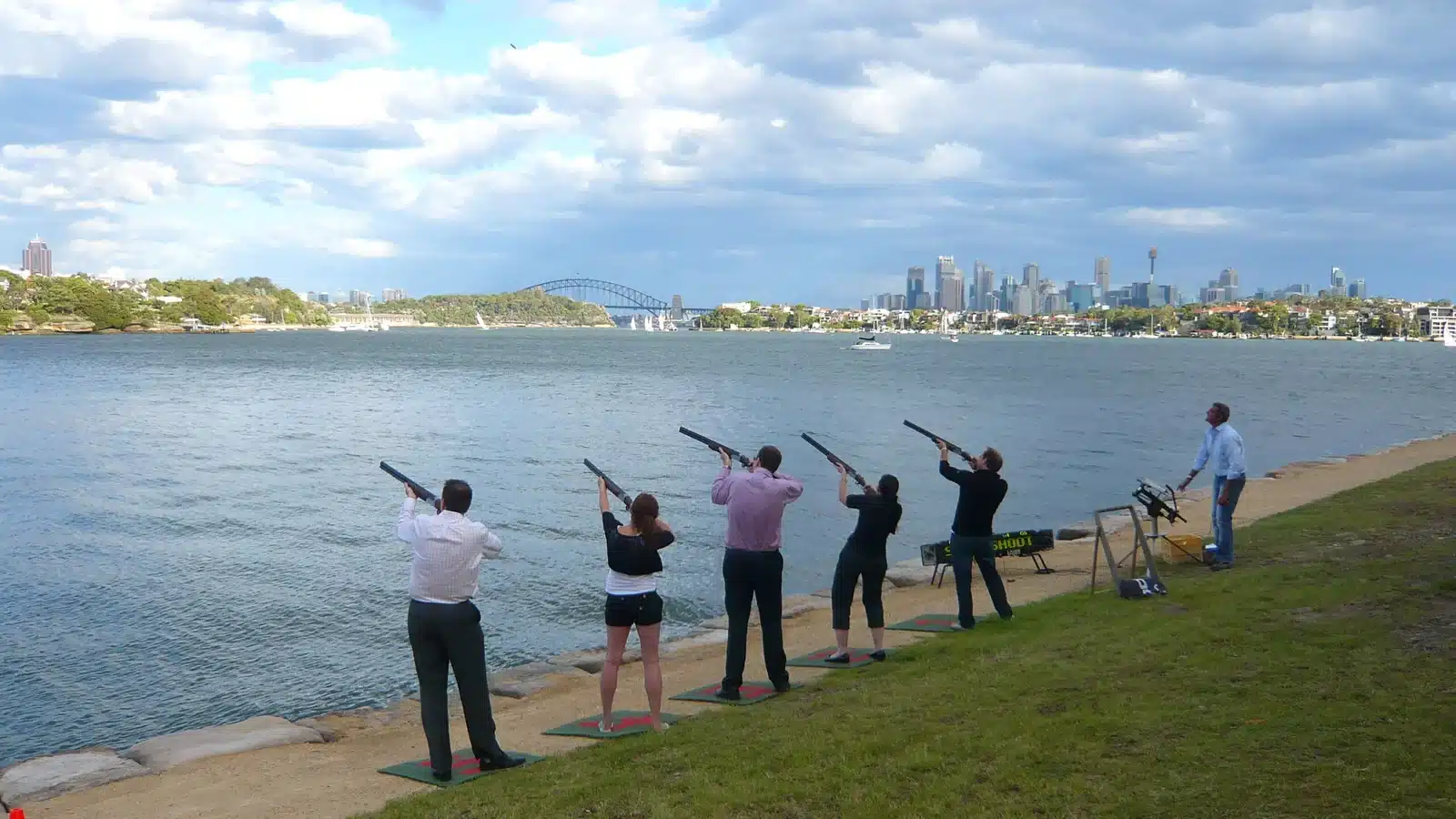
Three honest tiers. Inside the harbour: occasionally — whales do visit, and if you’re on the water on one of those days you’ll join the most excited flotilla in Australia, at a legal distance. But it’s a bonus, never a plan. At the Heads: the stretch near North and South Head is the harbour’s whale balcony — from a boat standing off the Heads in season, distant blows, breaches and tail flukes out to sea are a realistic hope on a good day, especially during the peak migration weeks. Larger charter vessels rated for it can sit in this zone comfortably. Offshore: genuine close-range whale watching means ocean-capable vessels — some of the larger boats in the 180+ agency fleet are rated for coastal runs, and that’s the tier where sightings shift from “hopeful” to “likely in season.” Tell us whales are the point of your day and we’ll match you to vessels and skippers suited to it — it changes which boats we’d shortlist entirely.
Our self-drive boats stay inside the harbour — that’s a hire-area condition — so a self-drive day is the “lottery ticket” tier: a brilliant winter cruise that occasionally gets photobombed by forty tonnes of humpback.
What are the rules around whales?
Strict, enforced, and genuinely important: NSW sets minimum approach distances for vessels around whales, with larger buffers when calves are present, and penalties apply for breaching them. We deliberately don’t print the exact distances here — check NSW National Parks for the current figures before your trip, and know that the practical rule aboard is simple: you never chase or approach a whale; if one surfaces near you, you slow down, hold steady or move away calmly, and enjoy an encounter on the whale’s terms. Skippered charters handle all of this for you — the skippers know the rules cold. On a self-drive hire, the briefing covers what to do, and “cut the throttle and drift” covers most situations beautifully anyway. The distance rules aren’t bureaucracy; mothers with calves rest near the coast precisely because they need undisturbed water.
When exactly should you book for the best odds?
Inside the June–October window, the folk wisdom that holds up: late June and July for the peak northbound traffic — cold, clear days with the most whales moving; September and October for the southbound mother-and-calf leg — closer to shore, slower-moving, warmer weather, and (a real consideration) a more comfortable day on the water for your group. Time of day matters less than sea state: calm days make blows visible at great distance, choppy days hide everything, so if whales are the priority, keep your date flexible inside a week and go on the calm one. And book the season confidently for other reasons too — whale months overlap the cheapest charter rates of the year (typically 20–40% below summer), so the economics of a winter whale punt are the best on the calendar. Our Sydney boating calendar page shows how the whale window fits the rest of the year.
How do you build a good whale-season day?
The trick is designing a day that’s excellent even at zero whales — then the whales are upside, not the wager. The proven winter formula: a late-morning start (let the air warm), the icons run past the Opera House and Bridge in winter’s glass-clear light, out to stand off the Heads for a long lunch watching the horizon — thermos, pies, red wine; winter boating has its own cuisine — then a golden-hour return around 4pm as the low sun does its best work on the sandstone. Binoculars transform the day: one decent pair per few guests, and brief everyone on what a blow looks like (a puff of white that hangs, not a whitecap). Enclosed or convertible boats with heaters make winter genuinely comfortable — plenty of the fleet is set up for it, so don’t picture yourselves shivering on an open deck. Groups that run this formula rate the day highly whales or not; the ones who see whales never stop talking about it.
What else is special about whale-season boating?
The season’s supporting cast is underrated. Winter delivers the clearest air of the year — the skyline photographs better in July than January — plus empty anchorages, easy bookings, and the harbour’s wildlife going about its business: seals haul out around the harbour’s rocky points in the cooler months, dolphins turn up year-round, and seabirds work the schools of winter fish. June also brings Vivid’s lights to the evenings. Add the pricing trough and a simple truth emerges that regulars already know: winter isn’t the off-season on Sydney Harbour, it’s the insider season — whales are just the headline act. If you want the day designed around the possibility, get a quote and say “whale season” in the enquiry; we’ll take it from there.
Frequently asked questions
When is whale season in Sydney?
Roughly June to October — humpbacks head north early in winter and return south with calves through spring, when they often travel closer to the coast.
Will we definitely see whales from a hire boat?
No — and be wary of anyone who promises it. Ocean-capable charters in season have realistic odds; harbour-only cruises get occasional bonus sightings near the Heads or, rarely, inside the harbour.
Can self-drive hire boats go whale watching?
Self-drive boats stay within the harbour, so they can’t run the coast — but whales do enter the harbour some seasons, and the briefing covers exactly what to do if one surfaces near you.
How close can a boat get to a whale?
NSW enforces minimum approach distances, larger around calves — check NSW National Parks for current figures. In practice: never approach; if a whale nears you, slow down and let it lead.
Which is better — early or late whale season?
June–July has the most whales moving; September–October has slower mother-and-calf pairs closer to shore and warmer weather. Calm sea days beat either timing for actually spotting them.
Is a winter charter miserable weather-wise?
Usually the opposite — Sydney winter serves frequent still, sunny days with the year’s clearest air, and enclosed or heated boats are common. Rates run 20–40% below summer too.