
If you’re driving a hire boat yourself on Sydney Harbour, speed zones aren’t background trivia — they’re the difference between a relaxed day and an awkward conversation with a Maritime patrol boat. The good news: the system is simpler than it looks. The harbour is mostly open water where you can cruise freely, dotted with clearly signed speed-restricted areas around wharves, moorings, swimmers and narrow channels, plus a handful of exclusion zones you simply stay out of. This page covers what a self-drive skipper actually needs to know before casting off from The Spit — for the full zone-by-zone breakdown with the official limits, see our detailed guide to Sydney Harbour maritime zones and speed limits.


Browse self-drive and skippered boats
Pricing, photos and open dates across the fleet.
Why do speed zones matter more when you’re driving yourself?
On a skippered charter, zones are the skipper’s problem. On a self-drive hire, they’re yours. NSW Maritime actively patrols Sydney Harbour — you’ll see their vessels most weekends, particularly around Middle Harbour, the main harbour east of the bridge, and anywhere events are running. They stop recreational boats routinely, and “I didn’t know, it’s a hire boat” doesn’t get you anywhere; the skipper on the day is responsible regardless of who owns the boat.
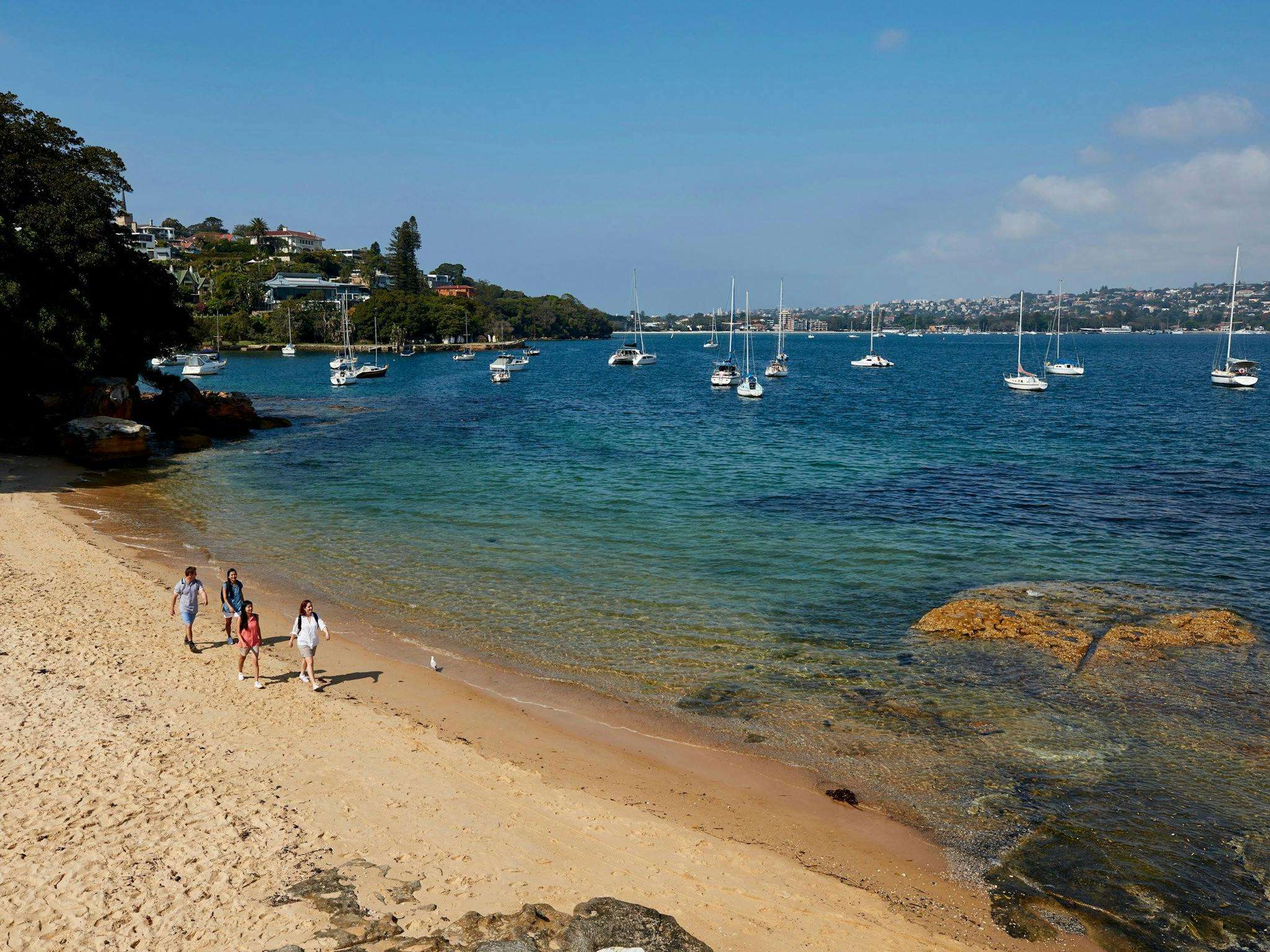
The practical reality is friendlier than that sounds. Our self-drive boats leave from The Spit Reserve in Mosman, and the run out through Middle Harbour is one of the easier bits of water in Sydney to learn on: wide, sheltered, and with restricted areas that are well signed and easy to anticipate. Thousands of first-timers do it every year without drama, because the rules follow common sense — slow down near boats, structures, swimmers and shorelines; open water is where you use the throttle.
What kinds of zones will you actually meet?
Sydney’s waterways break down into three broad categories, and thinking in categories is more useful than memorising a map:
Open water. The main body of Middle Harbour, the main harbour away from shorelines and moorings, and the wide reaches toward the Heads. This is where you cruise at normal speed, keep a proper lookout, and enjoy yourself.
Speed-restricted areas. Signed zones where everyone slows right down — typically around mooring fields, marinas, wharves, swimming enclosures, narrow channels and bays lined with moored boats. They’re marked with yellow signs on posts or buoys showing a knot figure. If you’re passing moored boats close enough to read their names, you should already be at low speed.
Exclusion and special-purpose zones. Areas you don’t enter at all, or only under specific conditions: around naval vessels and cruise ships underway, event courses on race days (think ferry races, sailing regattas, New Year’s Eve exclusion areas), and marked swimming enclosures. These are temporary or permanent, always enforced, and always avoidable with a bit of awareness.
We deliberately don’t print the exact knot figures and distance rules here — they’re set by Transport for NSW and you should always work from the current source. Our maritime zones guide linked above walks through them properly, and the briefing covers everything relevant to your route on the day.
How do you know what zone you’re in?
Three ways, in order of reliability. First, signage: NSW waterways use standardised yellow speed signs and marker buoys, and they’re placed at the entry points to restricted areas — if you’re watching the water ahead of you (which you should be anyway), you’ll see them coming. Second, context: mooring fields, marinas, beaches with swimmers, and narrow passes are restricted essentially everywhere in NSW, so treat them that way even before you spot the sign. Third, the briefing map: when you pick up a Coral or the Axopar at The Spit, we go through a chart of your cruising area and physically point out where the slow zones are. You’re not expected to arrive knowing any of this.
A rule of thumb that keeps hire skippers out of trouble: if anything is close — boats, structures, people, shoreline — be slow. If everything is far away, normal cruising is fine. Maritime officers are far more interested in genuinely dangerous behaviour (speed near swimmers, wash through mooring fields, ignoring ferries) than in perfect textbook knowledge.
What about ferries, ships and sailing races?
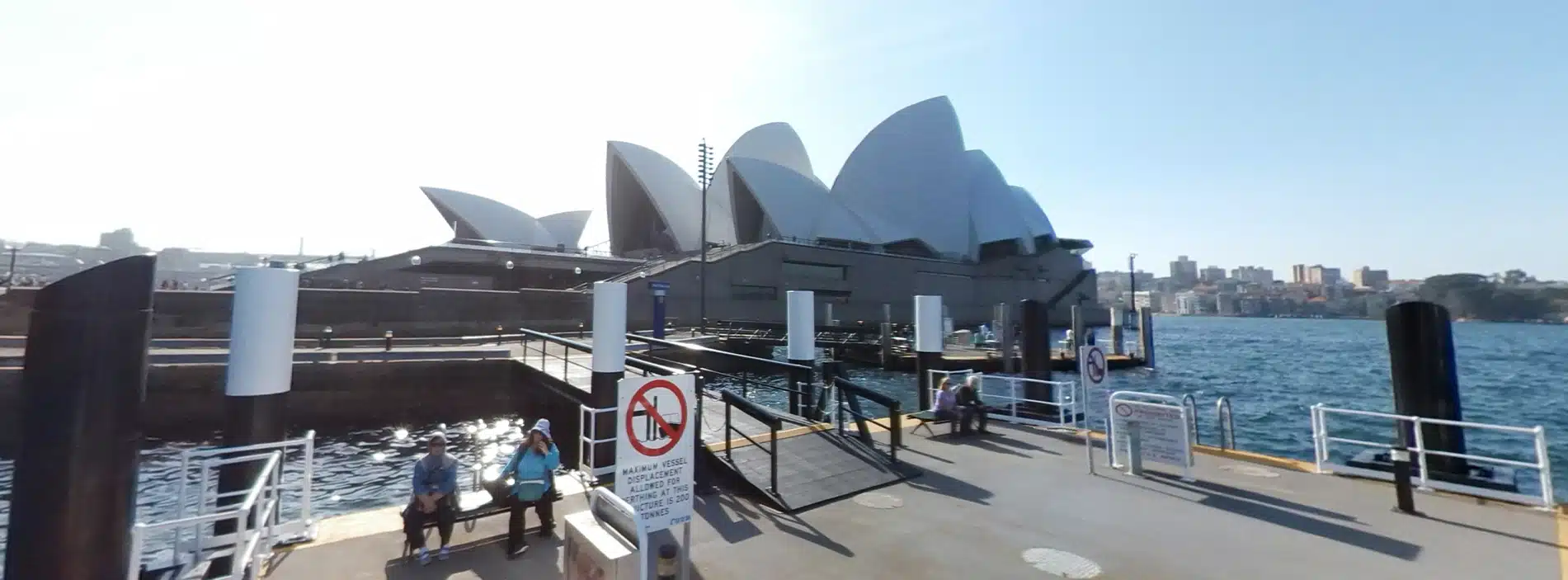
Bigger and less manoeuvrable vessels effectively have right of way in practice, whatever the collision regulations say on paper. Sydney ferries run fixed routes at good speed and don’t deviate; the simple rule is to pass behind them, never race one to a crossing point. Around Circular Quay and the main ferry lanes, stay alert and give them a wide berth. Naval vessels and cruise ships carry moving exclusion zones around them — keep well clear and you’ll never have to think about the exact figure. On summer weekends you’ll also meet sailing fleets mid-race; they’re under sail, they can’t dodge you easily, and cutting through a racing fleet is the fastest way to collect fifty angry sailors and one patrol boat. Go around.
Where are the tricky spots on a Spit departure?
Leaving The Spit Reserve, the first stretch is the busiest water you’ll see all day: the Spit Bridge channel carries everything from kayaks to large cruisers, there are marinas and mooring fields either side, and it’s all speed-restricted. Treat the first few minutes as a slow, watchful idle — it’s over quickly. Once you’re clear and Middle Harbour opens up toward Clontarf, Sugarloaf Bay and Balmoral, the water widens and the day gets easy. Popular anchorages like Sugarloaf Bay and the beaches around Clontarf are lined with moored boats and swimmers in summer, so you’ll come off the throttle well before you arrive — which is what you’d do instinctively anyway.
If you’re heading out toward the main harbour under the Spit Bridge, remember the bridge itself opens on a schedule for taller vessels — our boats fit under without an opening, and we’ll cover the channel etiquette at the briefing. For more on the area itself, see our Middle Harbour boat hire guide.
What happens at the wharf briefing?
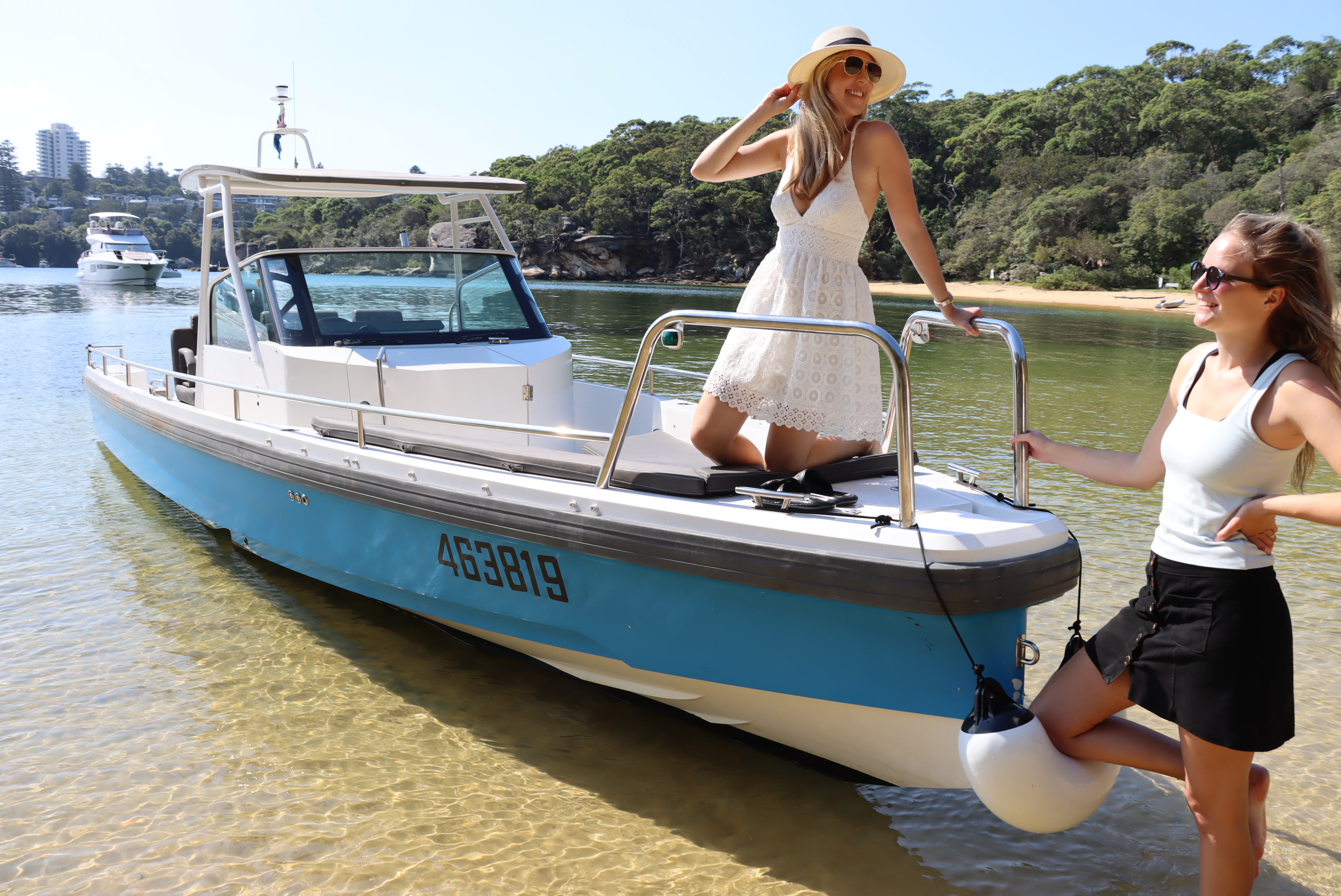
Every self-drive hire starts with hands-on training at The Spit — no licence needed for Coral, and even licensed Axopar skippers get a full orientation. We cover the controls, anchoring, the chart of your cruising area with every restricted zone marked, where the patrols tend to sit, and what to do if anything feels wrong (short answer: slow down and call us — the phone number is aboard). You leave the wharf when you’re comfortable, not when a timer says so. Fuel is included on Coral, there’s an ice box aboard, and BYO is welcome, so the admin is done before the boat is.
What if you get it wrong?
Genuine mistakes at low speed are usually a conversation, not a catastrophe — Maritime officers deal with hire boats constantly and generally start with education. Fines do exist for speeding in restricted zones and for entering exclusion areas, and they’re issued to the person driving, so it’s worth taking the briefing seriously. The behaviours that actually attract penalties are the obvious ones: real speed close to boats or swimmers, big wash through mooring fields, and ignoring directions from patrol vessels. Stay off those three and your risk is close to zero. For current rules, penalties and zone maps, Transport for NSW’s boating pages are the authoritative source — check them before your trip if you like to be thorough.
Frequently asked questions
Do I need to memorise Sydney Harbour’s speed zones before a self-drive hire?
No. The wharf briefing covers every restricted area in your cruising zone with a chart, and the signage on the water marks them as you go. Arrive with common sense; we supply the rest.
Can I be fined on a hire boat?
Yes — the person driving is responsible, not the boat’s owner. Penalties apply for speeding in signed zones and entering exclusion areas, so slow down whenever anything is close and you’ll be fine.
Are the licence-free boats affected by speed zones?
Coral operates below the speed threshold that requires a NSW licence, so it’s naturally compliant almost everywhere. You still slow to idle through signed areas near wharves, moorings and swimmers.
Where do Maritime patrols operate?
Across the whole harbour, with regular weekend presence in Middle Harbour, around the main harbour east of the bridge, and at any event. Assume you’ll pass one and drive accordingly — it takes nothing extra.
What about temporary exclusion zones for events?
Big events — New Year’s Eve, Vivid, major races — come with temporary exclusion areas published by Transport for NSW. If you’re hiring on an event day we’ll flag anything relevant at the briefing.
Where do I find the actual speed limit numbers?
Our detailed maritime zones guide covers them, and Transport for NSW publishes the official maps and figures. We keep numbers off this page deliberately so nothing here can go stale.