
Rodd Island sits in the middle of Iron Cove, a few hundred metres off Rodd Point in Sydney’s Inner West — a tiny national park island with a Victorian-era pavilion, shaded lawns and picnic shelters that you can only reach by water. That last part is the whole appeal: hire a boat, cruise up the harbour and past Balmain, slip under the Iron Cove Bridge, and you’ve got one of the most protected, flattest stretches of water in Sydney with a genuine island picnic at the end of it. Here’s how to get there, where to tie up or anchor, and what to know before you go.
Boats that suit a Rodd Island day
Pricing, photos and open dates across the fleet.
Where exactly is Rodd Island?
Iron Cove is the wide bay on the Parramatta River between Drummoyne, Rodd Point and Rozelle, crossed at its mouth by the Iron Cove Bridge on Victoria Road. Rodd Island sits roughly in the middle of the cove. It’s part of Sydney Harbour National Park and managed by NSW National Parks — the same family as Shark Island and Clark Island further down the harbour, but far less visited, which is exactly why locals like it.
The island is small — you can wander the whole thing in ten minutes — but it packs in a lot: the 1880s-era hall (famously used by a team sent by Louis Pasteur to run rabbit-control experiments in 1888, one of Sydney’s stranger historical footnotes), a pair of gazebos, picnic tables, lawns and big shade trees. It later did duty as a dance hall and pleasure grounds, and it still gets booked for private functions today.
How do you get to Rodd Island by boat?
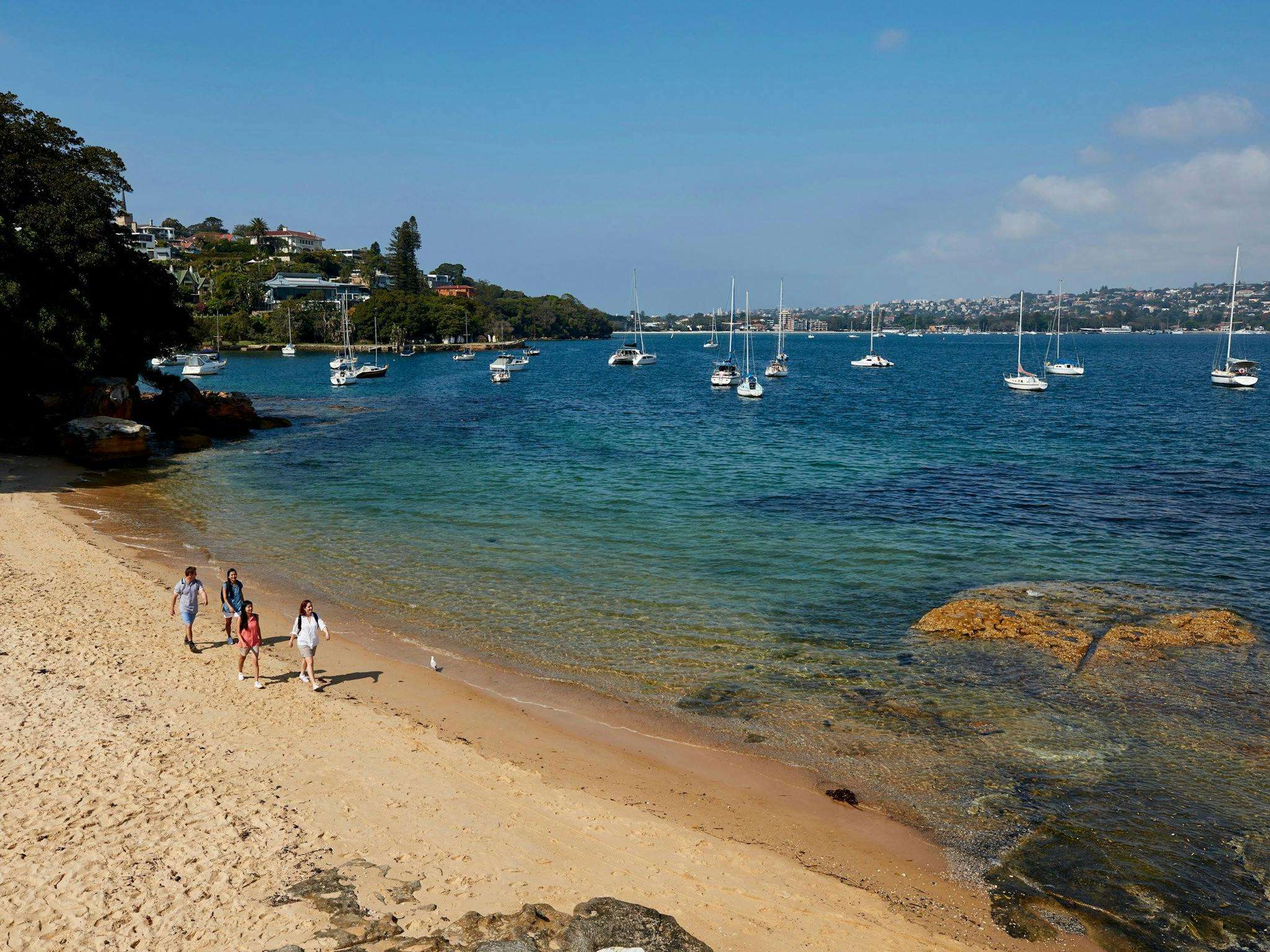
From the main harbour, the run is straightforward: head west past Balmain and Birchgrove, keep Cockatoo Island to your north, then turn south-west into Iron Cove under the Iron Cove Bridge. Small charter boats and runabouts pass under the bridge without any drama. Once you’re inside the cove the water flattens right out — Iron Cove is one of the most sheltered bodies of water in the harbour system, ringed by the Bay Run foreshore on almost every side.
Coming from the eastern harbour or a CBD wharf, allow a relaxed 45 minutes to an hour of cruising depending on the boat. It’s a genuinely good cruise in its own right — you pass the working harbour around Balmain, Cockatoo Island’s cranes and slipways, and the procession of bays along the Parramatta River. Plenty of groups make Rodd Island the turnaround point on a river cruise rather than the sole destination.
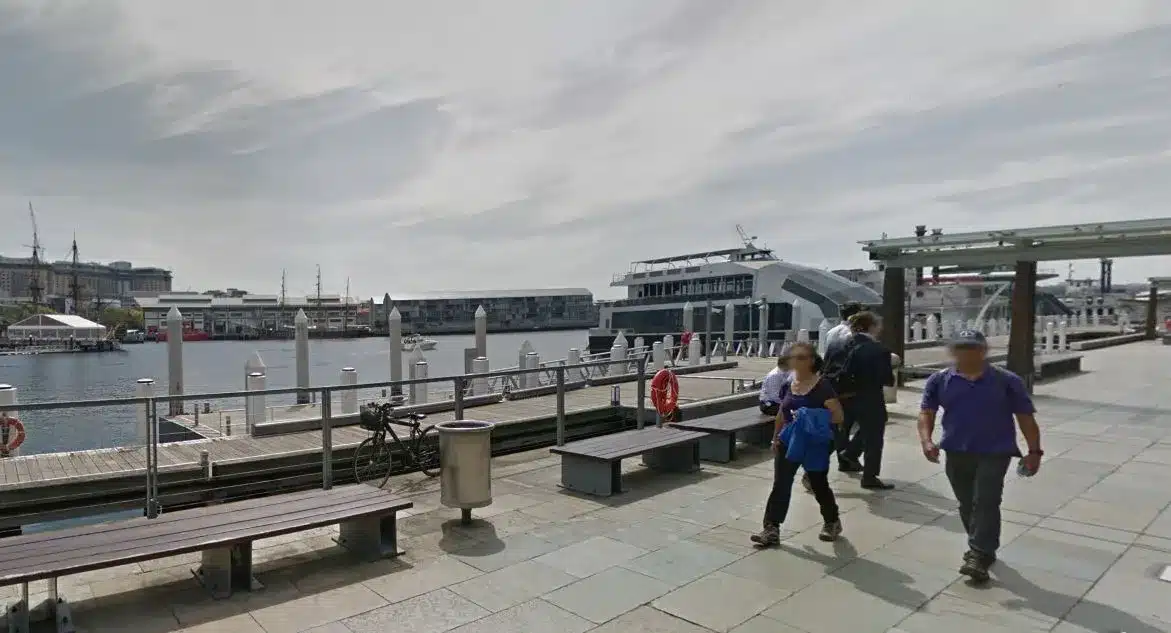
Because Rodd Island is deep in the Inner West, a skippered charter picked up from a wharf like Balmain, Drummoyne or King Street is the practical way to do it — the skipper handles the bridge, the ferry traffic near Cockatoo Island and the drop-off at the island jetty while your group gets on with the picnic. Most of our 180+ agency boats can collect from public wharves in this part of the harbour; ask when you enquire and we’ll match a boat to your nearest pickup point.
Can you land on Rodd Island?
Yes — that’s the point of the place. The island has jetty access for drop-offs, and day visits are managed by NSW National Parks. Landing fees, booking requirements and any exclusive-use hire of the hall or gazebos change from time to time, so check the NSW National Parks website for current arrangements before you lock in a date. If you’re planning a birthday or a private party on the island itself, book the island through Parks and the boat through us — the two bookings are separate.
A skippered charter can drop your group at the jetty, stand off or anchor nearby while you picnic, then collect you at an agreed time. That drop-and-return pattern is how most Rodd Island days run, and it means nobody has to nurse a boat at the jetty all afternoon.
Where do you anchor at Rodd Island?
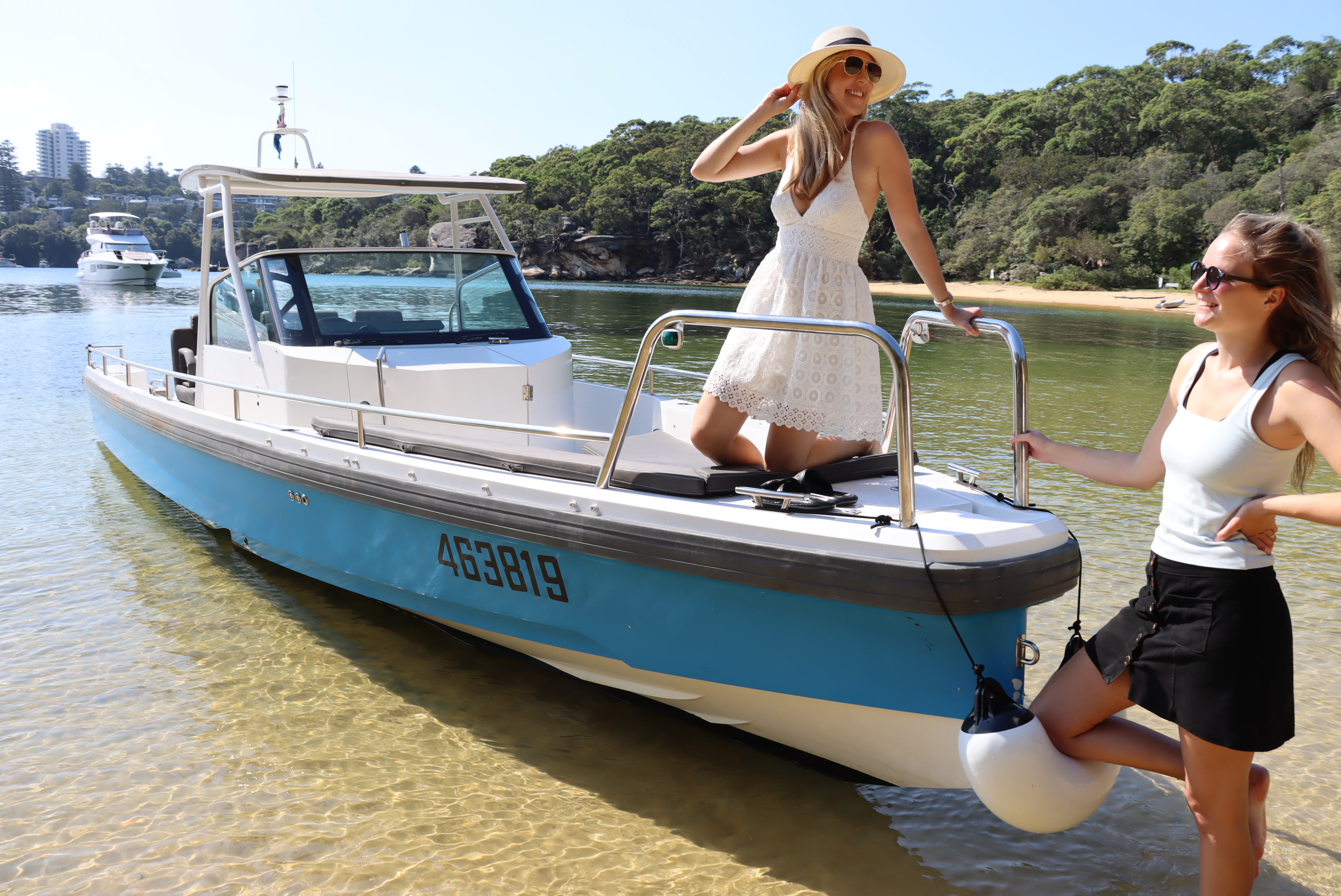
The water around the island is shallow near the edges and the bottom through Iron Cove is mostly mud and sand — unglamorous, but decent holding for a lunch stop. Anchor off the island clear of the jetty approach and clear of the moored boats scattered through the cove, and set back far enough that you’re not swinging over the shallows as the tide drops. Iron Cove barely feels swell, so once the anchor’s in you’ll sit remarkably still — this is flat-water boating at its most relaxed. Keep your speed right down anywhere near the island and the rowing crews; Iron Cove is a training ground for several rowing clubs, especially early in the morning. For the wider rules on speed and distance-off, see our plain-English guide to Sydney Harbour’s maritime zones and speed limits.
Is Rodd Island good for swimming?
Honest answer: it’s not the harbour’s best swimming. Iron Cove is a long way upstream, the water is river-influenced, and like everywhere in the upper harbour it’s best avoided for a couple of days after heavy rain. On a hot, dry summer stretch you’ll see people cooling off from boats in the cove, but if a proper swim is a priority for your day, do it differently — cruise the lower harbour first for a dip at a clean, sandy anchorage, then finish with the Rodd Island picnic, or simply treat this as a picnic-and-cruise day rather than a swim day. That’s how the locals use it.
What kind of day works best at Rodd Island?
Rodd Island suits long lunches. Think birthday picnics, engagement parties, family gatherings — groups who want somewhere green and private-feeling without the crowds that hit Shark Island and Clark Island in summer. A typical run sheet: board late morning, cruise the river with drinks aboard, land on the island for a couple of hours of lunch on the lawns, then a slow cruise home into the afternoon light. Many of our small and mid-size charter boats are BYO-friendly, which keeps costs sensible — small BYO boats start around $200–$400 an hour, and Iron Cove’s flat water means every boat in that bracket handles it comfortably.
One more local tip: the island has very little in the way of facilities, so bring everything — food, water, rubbish bags — and plan to take it all off again. Check the Parks website for what’s currently available on the island (toilets, tables, the hall) rather than assuming.
When should you go?
Iron Cove works nearly year-round because it’s so protected. Summer weekends are the busiest, though “busy” at Rodd Island is a handful of boats, not the raft-up chaos you get off Shark Island on a January Saturday. Spring and autumn are the sweet spot — mild days, quiet water, easy bookings. Even in winter the cove stays calm; it’s a genuinely good cold-month picnic run if you pick a sunny day. Weekday hires are noticeably easier to book and often cheaper across the charter fleet, with winter rates typically running 20–40% below summer.
Frequently asked questions
Do you need a permit to visit Rodd Island?
Day visits and landings are managed by NSW National Parks, and fees or booking requirements can apply — especially for functions or exclusive use of the hall. Check the NSW National Parks website for current arrangements before your trip.
Can a charter boat drop us on the island and pick us up later?
Yes — drop-off at the jetty and a timed pickup is the standard way groups do Rodd Island. Tell us your plan when you enquire and we’ll build the run sheet around it.
How long does it take to get there by boat?
From wharves around Balmain or Drummoyne it’s only minutes. From the CBD or eastern harbour, allow roughly 45 minutes to an hour of relaxed cruising each way, depending on the boat.
Is there food or drinking water on the island?
No — treat it as bring-everything territory. Pack food, water and rubbish bags, or hire a catered boat and eat aboard either side of your island time.
Can you take your own alcohol?
On the water, that depends on the boat — many of our small and mid-size charters are BYO. On the island itself, check current NSW National Parks rules for your date.