
Updated: April 2026
Goat Island sits in the heart of Sydney Harbour like a living museum, its weathered sandstone buildings whispering stories of convict labor, maritime engineering, and wartime secrets. This 5.6-hectare island, positioned strategically between Circular Quay and Balmain, offers one of Sydney’s most immersive historical experiences – and the best way to reach it is by boat, just as countless souls have done for over two centuries.


Compare boats for a day exploring
Pricing, photos and open dates across the fleet.
What is the history of Goat Island in Sydney Harbour?
Goat Island served as a convict quarrying station from the 1830s, where prisoners cut sandstone blocks that built iconic Sydney structures including Circular Quay seawalls, Fort Denison, and various harbour fortifications throughout the colonial period.
The island’s story begins long before European settlement, when Aboriginal people used it as a fishing and gathering place. The Cammeraygal clan knew it as Me-mel, meaning “eye,” likely referring to its prominent position overlooking the harbour’s main shipping channel.

Governor Phillip granted the island to a settler in 1800, who introduced goats to graze – hence the name that stuck. But it was the colonial government’s acquisition in the 1830s that transformed Goat Island into one of Sydney’s most significant industrial sites.
Entity: Goat Island Quarry
Attributes: Operation period (1830s-1900s), Location (Sydney Harbour), Primary output (sandstone blocks), Workforce (convict laborers)
Convicts lived in barracks cut directly into the island’s rock face, working dangerous 12-hour shifts extracting the honey-colored Hawkesbury sandstone that defines Sydney’s architectural character. The quarry produced over 100,000 tons of stone, with blocks reaching 15 tons in weight. These massive stones were loaded onto barges and transported across the harbour to construction sites.
The working conditions were brutal. Convicts used hand tools, gunpowder blasting, and sheer physical strength to extract stone from increasingly deep quarries. Many suffered injuries from rockfalls, explosions, and exhaustion. The island’s isolation made it an effective prison – escape meant swimming through shark-inhabited waters or stealing a boat under the watchful eyes of armed guards.
What happened to Goat Island after the convict era ended?
After convict operations ceased in the 1900s, Goat Island became a water police station, maritime facility, and later a naval depot during both World Wars, storing explosives and housing military personnel until the 1990s.
The transition from quarry to maritime hub reflected Sydney Harbour’s evolving role. The Water Police established their headquarters on the island in 1925, taking advantage of its central location to patrol the entire harbour. The substantial stone buildings, originally constructed to house convicts, proved perfect for police operations.
Entity: Water Police Station
Attributes: Operation period (1925-1960s), Location (Goat Island), Function (harbour patrol base), Fleet capacity (multiple patrol boats)
During World War II, the Royal Australian Navy commandeered the island as HMAS Penguin II, a naval depot storing ammunition and depth charges. The island’s isolation and existing security infrastructure made it ideal for storing dangerous explosives. Concrete bunkers and underground storage facilities were added to the existing stone buildings.
The navy’s presence continued through the Cold War, with the island serving various defense purposes including training facilities and equipment storage. By the 1980s, changing military needs and heritage recognition led to the navy’s gradual withdrawal.
How do you access Goat Island today?
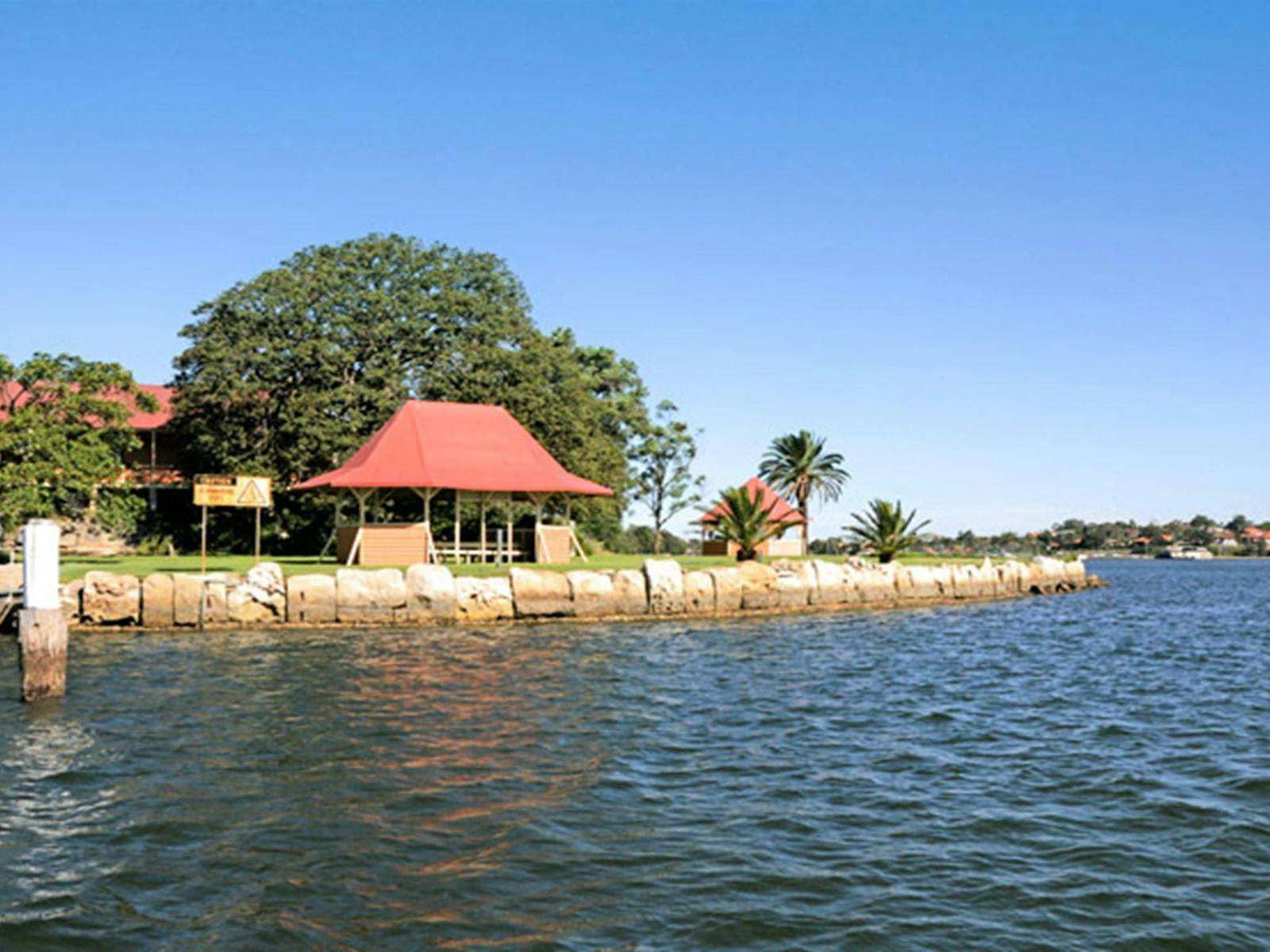
Goat Island is accessible only by boat, with visitors joining guided tours that depart from Circular Quay. Private boat hire offers flexible access for those wanting to combine island exploration with harbour cruising.
The island has no public wharf for private vessels, but tour boats use a designated landing area on the eastern shore. Tours operate on weekends and selected weekdays, with advance booking essential through the National Parks and Wildlife Service.
Entity: Goat Island Tours
Attributes: Departure point (Circular Quay), Duration (90 minutes), Schedule (weekends and select weekdays), Booking (NPWS required), Group size (limited to 25 people)
For boat hirers, Goat Island provides an excellent harbour destination. While you can’t land without a tour booking, Sydney harbour cruises can include close approaches to view the island’s dramatic clifftop buildings and quarried rock faces. The island’s position makes it perfect for photography, with the city skyline forming a spectacular backdrop.
Self-drive boat hire allows maximum flexibility for viewing the island from different angles. Self-drive boat hire lets you approach from the north to see the quarry faces, or from the south for views of the barracks buildings against the Harbour Bridge backdrop.
What can you see on a Goat Island tour?
Tours include the convict-built barracks, quarry workings, underground magazine chambers, and restored buildings, with guides explaining the island’s transformation from Aboriginal fishing ground to convict worksite to naval facility.
The most impressive feature is the convict barracks, carved directly into the sandstone cliff. These chambers housed up to 100 prisoners, with sleeping platforms, mess areas, and storage rooms cut from solid rock. The engineering achievement is remarkable – convicts created multi-level accommodation using only hand tools and explosives.
Entity: Convict Barracks
Attributes: Construction method (hand-carved sandstone), Capacity (100 prisoners), Levels (multiple tiers), Preservation status (restored and accessible)
The quarry workings reveal the scale of stone extraction. Massive rectangular cuts in the rock show where huge blocks were removed. Drill holes, blast marks, and tool scratches are still visible, along with the crane anchor points used to lift stones onto barges.
The powder magazine, built for storing gunpowder used in quarrying, later served as a naval ammunition depot. These underground chambers, with their thick stone walls and ventilation systems, demonstrate 19th-century engineering adapted for 20th-century military use.
Recent restoration has revealed Aboriginal shell middens and rock engravings, connecting the island’s industrial history to thousands of years of Indigenous use. These discoveries add layers to the island’s story, showing continuous human connection to this strategic harbour location.
What buildings remain on Goat Island?
The island preserves convict-era barracks, overseer’s quarters, workshops, a water police station, naval buildings, and Australia’s oldest surviving gunpowder magazine, creating a unique architectural timeline spanning 150 years of harbour development.
The Superintendent’s House, built in 1835, housed the officer overseeing convict operations. This substantial sandstone building features colonial Georgian architecture with harbour views from every room. It later served as the Water Police Station headquarters, with modifications including radio equipment rooms and administrative offices.
Entity: Superintendent’s House
Attributes: Construction date (1835), Style (Georgian colonial), Material (Hawkesbury sandstone), Current status (restored and accessible)
The Gunpowder Magazine, dating from 1833, is Australia’s oldest surviving explosives storage facility. Its thick stone walls, copper fittings, and ventilation system were designed to prevent accidental explosions while storing gunpowder for quarrying operations. The building’s survival through 190 years of harbour development makes it extraordinarily significant.
The Water Police Boat Shed, built in the 1920s, shows how the island adapted to changing uses. This large steel and concrete structure housed patrol boats and equipment, with boat lifts and maintenance facilities. Though modified over decades, it demonstrates the island’s continued maritime importance.
Convict workshops, carved into cliff faces, show where prisoners maintained tools, processed stone, and carried out daily tasks. These spaces include a blacksmith’s forge, tool storage areas, and loading docks where finished stone blocks were transferred to barges.
Why is Goat Island historically significant?
Goat Island represents Sydney’s industrial birthplace, where convict labor extracted the sandstone that built the modern city. Its preserved buildings and quarry workings provide tangible connections to colonial Sydney’s development and transformation.
The island’s significance extends beyond local history. It demonstrates the convict system’s role in Australian development, showing how forced labor built colonial infrastructure. The scale of stone extraction – enough to build entire harbour fortifications – reveals the economic importance of convict work gangs.
Entity: Heritage Significance
Attributes: Heritage listing (NSW State Heritage Register), Significance level (State), Themes (convict history, industrial heritage, maritime history), Protection status (National Park)
Architecturally, the island preserves building techniques from the 1830s onwards. The hand-carved barracks show convict craftsmanship, while later additions demonstrate evolving construction methods. This architectural evolution, all in Hawkesbury sandstone, creates a unique built environment.
The island’s strategic position made it crucial for harbour defense. From convict-era signal stations to World War II ammunition storage, Goat Island played key roles in Sydney’s security. Its transformation reflects changing defense priorities across two centuries.
For understanding Sydney’s urban development, Goat Island is crucial. The sandstone quarried here built Circular Quay’s seawalls, various harbour installations, and countless buildings. Walking through Sydney’s CBD means walking on and around stone from this small island.
When is the best time to visit Goat Island?
Late autumn through early spring offers ideal conditions, with mild temperatures, clear skies for photography, and calmer harbour waters. Weekend tours have greater availability, while weekday visits offer smaller groups and detailed exploration time.
Weather significantly affects the island experience. Summer heat can be intense on the exposed rocky surfaces, while winter’s crisp air provides excellent visibility for harbour views. Spring and autumn offer the best compromise between comfortable temperatures and clear conditions.
Entity: Optimal Visiting Conditions
Attributes: Best seasons (autumn, winter, spring), Weather requirements (clear skies, mild temperatures), Tour schedule (weekends preferred), Group size (smaller in weekdays)
Tour schedules vary seasonally, with more frequent departures during warmer months. However, winter tours often provide superior experiences due to smaller groups and guides having more time for detailed explanations. The island’s exposure to harbour winds means layered clothing is essential year-round.
Photography enthusiasts should consider light conditions. Morning tours catch eastern light on the quarry faces, while afternoon tours illuminate the western buildings. The golden hour before sunset creates dramatic lighting on the sandstone structures, though this requires private boat access for optimal positioning.
For those combining island visits with harbour boating, exploring Sydney Harbour islands with private boat hire allows flexible timing and multiple viewing angles not available to tour participants.
What should you know before visiting Goat Island?
Wear sturdy walking shoes with good grip, bring sun protection and water, book tours well in advance, and be prepared for uneven rocky surfaces and exposed conditions with limited shade throughout the site.
The island’s terrain is challenging. Quarry operations created uneven surfaces, steep drops, and loose stones. Paths between buildings involve climbing over rocky areas and navigating narrow passages. The National Parks and Wildlife Service requires all visitors to wear closed-toe shoes with non-slip soles.
Entity: Visitor Requirements
Attributes: Footwear (closed-toe, non-slip), Physical demands (moderate difficulty), Duration (90 minutes walking), Age restrictions (suitable for children over 8), Group size (maximum 25 people)
Weather protection is crucial. The island offers minimal shade, with exposure to harbour winds and sun reflection off sandstone surfaces. Hats, sunscreen, and wind-resistant clothing are essential. Even winter visits can be surprisingly warm in sheltered quarry areas, while exposed clifftops remain cool.
Camera equipment benefits from protective cases due to salt air and potential spray from boats. The dramatic lighting and historic structures provide excellent photography opportunities, but equipment protection ensures devices survive the harbour environment.
Booking limitations mean tours fill quickly, especially on weekends. The National Parks and Wildlife Service recommends booking at least two weeks ahead for weekend tours, though weekday spots may be available with shorter notice. Cancellations due to weather or mechanical issues do occur, so flexible travel plans help.
Exploring Sydney by boat? Read our guide to Fort Denison by Boat (History Guide) for inspiration.
Looking for a specific departure point? Check out our guide to Boat Hire from Pyrmont for detailed wharf information, parking, and available boats.
How does Goat Island connect to other Sydney Harbour attractions?
Goat Island sits at the center of Sydney Harbour’s historical network, connecting to Fort Denison, Cockatoo Island, and harbour fortifications, all accessible by boat and sharing intertwined convict and maritime histories.
The island’s position provides unique views of multiple harbour landmarks. To the east, Fort Denison (Pinchgut Island) represents another convict-era site, built partly with Goat Island stone. To the west, Cockatoo Island shows industrial expansion beyond the convict period, with its shipbuilding heritage complementing Goat Island’s quarrying history.
Entity: Harbour Historical Network
Attributes: Connected sites (Fort Denison, Cockatoo Island, Dawes Point Battery), Material connections (shared sandstone), Historical periods (convict era through World War II), Access method (boat required)
The Harbour Bridge, visible from every point on Goat Island, was built using sandstone quarried from multiple harbour sites including Goat Island. This physical connection between past and present makes the island an ideal starting point for understanding Sydney’s development.
For comprehensive harbour exploration, historical landmarks of Sydney Harbour from the water can be combined with Goat Island visits. A day’s boating can include close approaches to multiple historical sites, each telling part of Sydney’s colonial and maritime story.
The island’s central location makes it perfect for harbour circumnavigation. Boats departing from eastern suburbs can visit Goat Island before continuing to western harbour attractions, while Balmain or Pyrmont departures can use the island as an eastern turning point for comprehensive harbour tours.
Ready to experience Goat Island and Sydney Harbour’s fascinating history from the water? Boatique Sydney Boat Hire offers the perfect vessels to explore these remarkable harbour destinations at your own pace. Whether you’re planning a historical tour combining multiple islands or want the flexibility to photograph Goat Island from every angle, our fleet of 120+ boats ensures you’ll find the perfect vessel for your harbour adventure. Book online or call our friendly team to start planning your historical harbour discovery.
Related guides: See also Manly Waterfront Dining By Boat.
class=”rank-math-block”>