
Understanding Boat Hire Terminology (Glossary)
If you’re new to boat hire or just want to sound like a savvy skipper, knowing boat hire terminology can make all the difference. Whether you’re renting a yacht, speedboat, or smaller craft here in Sydney, a basic understanding of the lingo helps you feel confident and prepared. At Boatique Sydney Boat Hire, we want you to have fun on the water without getting tangled up by confusing words. This friendly glossary breaks down the key terms you’ll see or hear when booking and enjoying your boat hire experience.
Essential Parts of a Boat
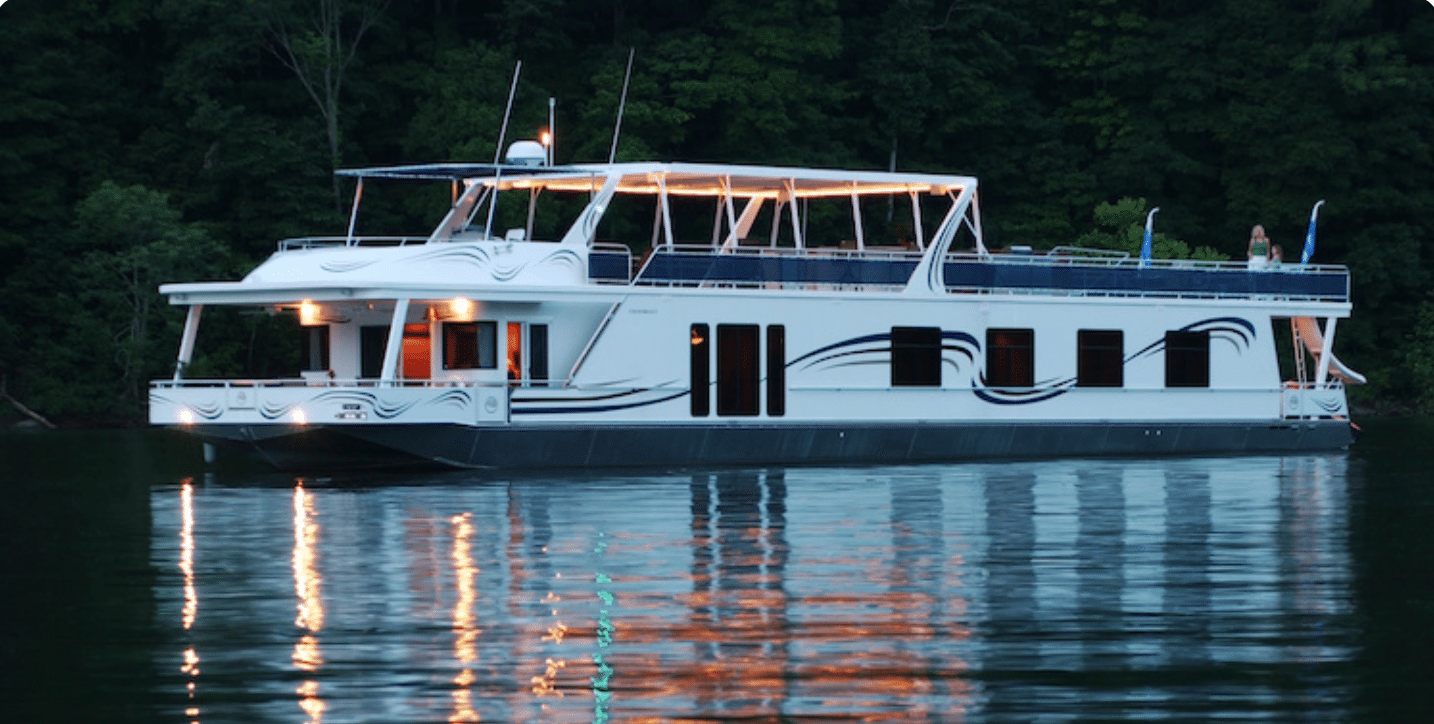
To get started, knowing the main parts of a boat is crucial. The hull is the main body of the boat that floats on water, supporting everything else. From there, the **bow** is the front tip of the boat, and the stern is the rear end. When you’re facing forward, the **starboard** side is on the right, and the **port** side is on the left. The **gunwale** (pronounced “gunnel”) is the top edge of the boat’s sides where you might lean on or hold for balance.
Understanding these will help you follow instructions or chat with your skipper about where to go, dock, or anchor. For example, if your skipper says “keep to starboard,” you’ll know they mean steer to the right side of the boat.
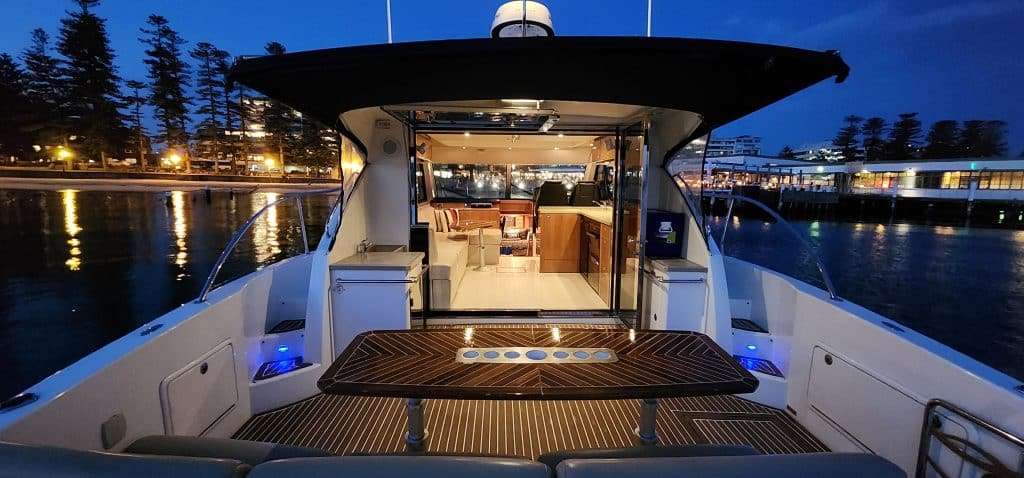
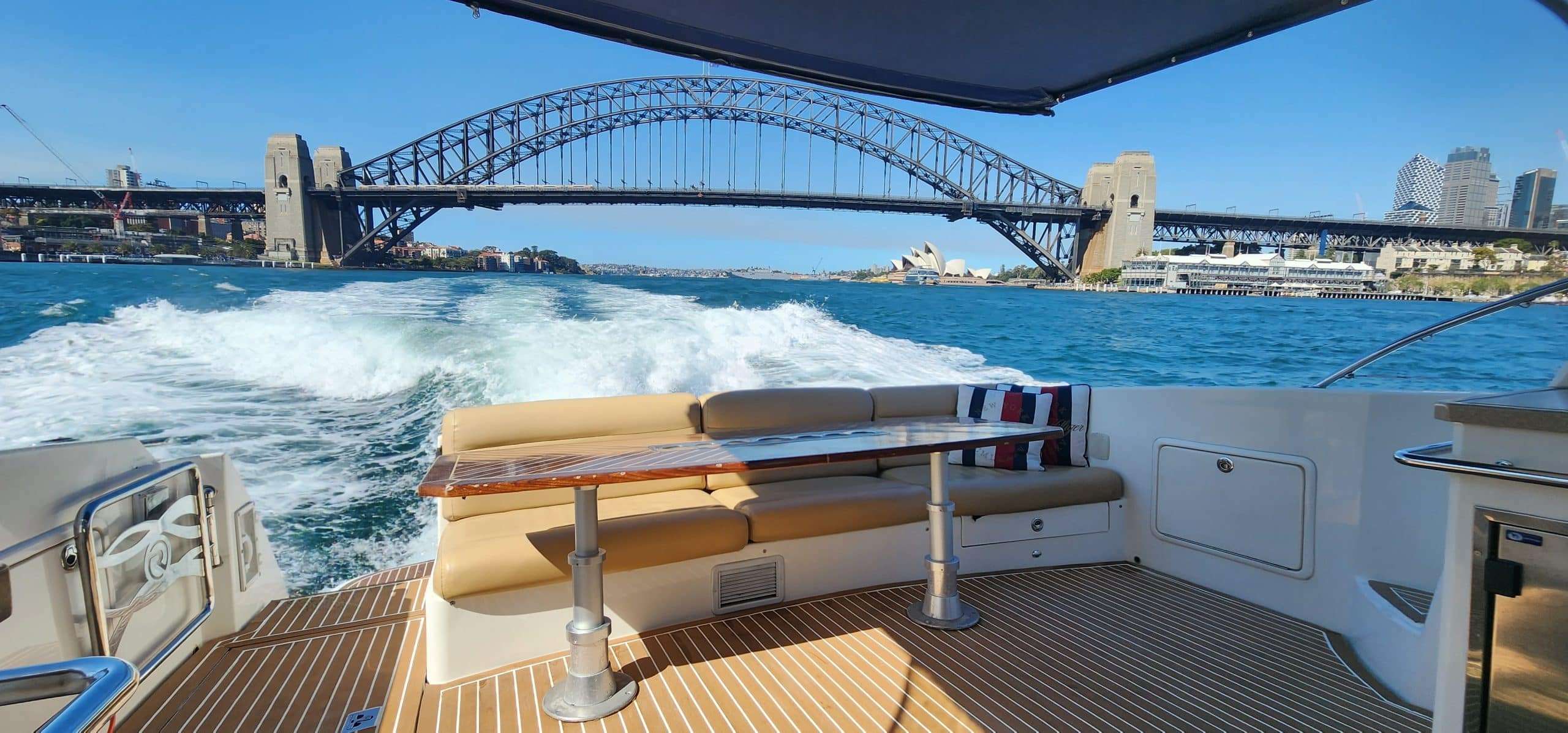
The **helm** is where the controls and steering wheel are located—basically, where the captain drives the boat. And if the boat has a **swim platform**, that’s the area at the back perfect for hopping in and out of the water.
Types of Boats You Might Hire
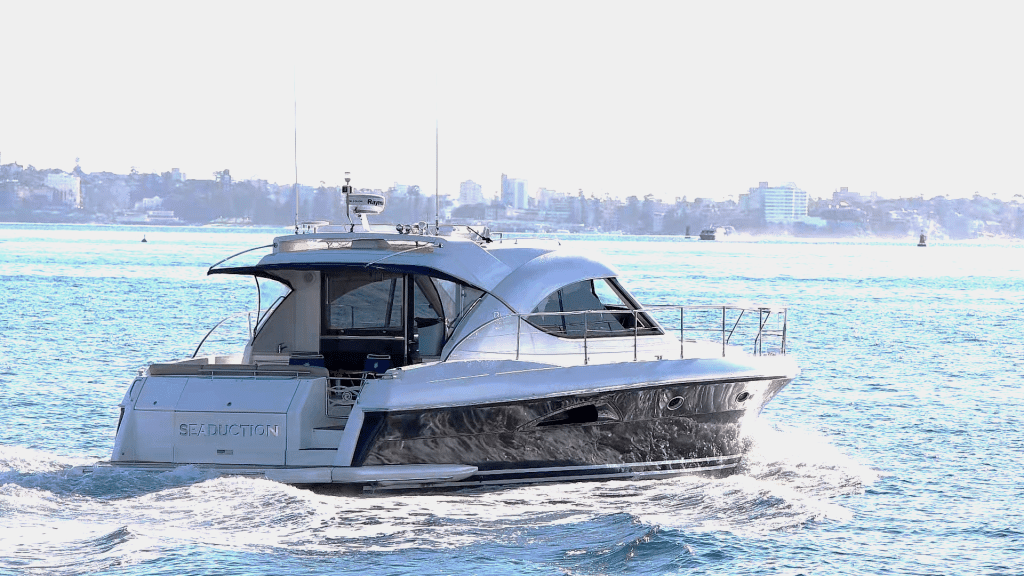
Sydney boat hire offers a variety of vessels, each with unique terms. A **motor yacht** is a larger pleasure boat powered by engines, great for relaxed cruising or parties. Smaller and speedier options might be referred to as **powerboats** or **runabouts**, which are perfect for quick trips or water sports.
If you choose a **sailing yacht**, remember it mainly moves by sails but often has an engine too. Some boats have a **flybridge**, which is an upper deck helm offering better views while piloting.
Knowing what kind of boat fits your plan helps you communicate your needs clearly and makes the hiring process smoother.
Common Boating Actions and Safety Terms
While on board, you’ll hear terms about movement and safety that are helpful to learn. When the boat is moving forward, that’s called **headway**; when drifting backward, it’s **sternway**. If the boat **heels**, it means it tips or leans to one side, usually due to wind or turning sharply.
Your boat will have safety gear like a **kill switch lanyard**, a cord attached to the driver that stops the engine if the driver falls overboard. It’s a simple but vital safety feature.
If you are asked to **heave to**, it means the skipper is steering the boat so it makes very little progress, often to hold position in rough seas. Knowing actions like these avoids confusion and keeps everyone safe.
Navigational Vocabulary for Smooth Sailing
Understanding direction words keeps everything clear. **Aft** means toward the back, and **forward** means toward the front. **Amidships** refers to the middle section of the boat.
When navigating waters, speed is often measured in **knots**, which equals about 1.85 kilometers per hour. Distances are measured in **nautical miles**—slightly longer than standard miles.
The term **planing** describes when a boat speeds enough to rise and skim on the water surface, which mainly happens with lighter boats. This term is useful to know if you’re renting faster motorboats or jet skis.
Booking and Hiring Terms You Should Know
When you book a boat with Boatique Sydney, some specific terms pop up in contracts or communication. The **charterer** is the person booking and paying for the hire. The **master** or **skipper** is the licensed person in charge of the boat during your rental, responsible for navigation and safety.
A **bareboat charter** means you hire the boat without a crew, so you or your group captains the vessel. In some hires, you might have a **skippered** option where a captain is provided to drive while you relax.
Knowing these terms helps you understand what’s included in your package and what responsibilities you’ll have.
Maintenance and Mechanical Words You Might Encounter
Some boats have different engine and propulsion systems. For example, an **inboard motor** sits inside the hull with a shaft driving the propeller. A **stern drive** system (also called an outdrive) sticks out from the rear and serves as both the engine gear and propulsion unit.
Occasionally, you’ll hear about **ballast**, which is heavy material inside the hull that helps balance and stabilize the vessel. Larger yachts might feature **stabilizers** to reduce rolling in choppy waters for a comfier ride.
If you’re curious about boat care, the term **osmosis** refers to water damage to fiberglass, something often checked to ensure boat quality.
Know Before You Go: Helpful Tips
Before heading out, knowing a little boating etiquette is handy. The term **give way** means a boat should slow, stop, or change course to avoid collision with another vessel. And **freeboard** is the distance from the waterline to the top edge of the hull—an important measure for safety in rough waters.
If you’re renting a boat with fishing gear or water sports equipment, knowing terms like **pulpit** (the front railing) and **anchor** will come in handy when securing your boat or casting lines.
In Sydney, the weather and waters can change quickly, so listening carefully and using these terms confidently ensures a safer and more fun experience.
FAQs
• What does ‘bareboat charter’ mean?
A bareboat charter means you rent a boat without a crew or skipper. You or someone in your group operates the boat.
• What is the difference between port and starboard?
Port refers to the left side of the boat when facing forward, and starboard is the right side.
• Do I need a license to hire a boat in Sydney?
Some boats require a license to operate, but many of our boats can be hired without one, especially if you choose a skipper.
• What does ‘planning’ mean in boating?
Planing is when a boat moves fast enough to lift and glide on top of the water instead of pushing through it.
• What is a kill switch, and why is it important?
A kill switch automatically turns off the engine if the driver falls off or moves away, keeping everyone safe.
• How is speed measured on a boat?
Boat speed is usually measured in knots, where one knot equals 1.852 km/h (about 1.15 mph).
Ready to take the helm with confidence? Dive into your next boat hire with Boatique Sydney, knowing the lingo that keeps you safe and savvy. Browse our fleet or chat with us today to find your perfect vessel! For more information, check out how to rent a boat.